
San Cristóbal, Galápagos: The Local’s Guide to Kicker Rock, Sea Lions and Giant Tortoises
The best things to do in San Cristóbal, Galápagos: Kicker Rock, La Lobería, tortoises and Española, with local tips, tour costs and how to get there.

The best things to do in San Cristóbal, Galápagos: Kicker Rock, La Lobería, tortoises and Española, with local tips, tour costs and how to get there.
How much does a Galapagos trip cost in 2026-27? Real prices for island hopping and cruises, park fees, flights and budget examples from a local operator.
Plan a Galapagos island hopping itinerary of 7 to 9 days: Santa Cruz, Isabela and San Cristóbal by speedboat, real costs, and local tips from our team.
Strong El Niño 2026-27: what is happening in the Galapagos now, what it means for wildlife, weather and your trip, and how to plan. Updated November 9, 2026.
No direct flights from the US to the Galapagos. Here is the step-by-step route via Quito or Guayaquil, airports, timing, documents and fees for 2026.
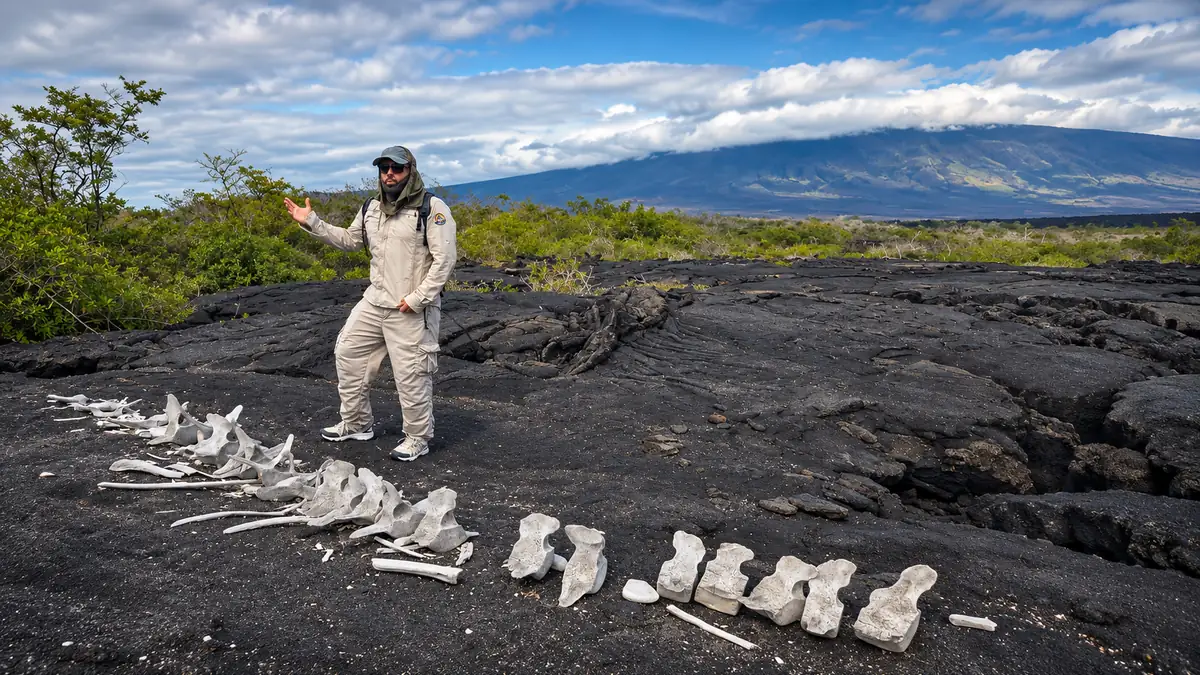
Galapagos entry requirements for 2026: the US$200 park fee, the US$20 TCT, documents, biosecurity and the new park visitor rules explained clearly.
Short answer: most travelers should plan for 5 to 7 days in the Galápagos Islands. That’s enough time to visit several islands, see the major wildlife highlights, and not feel rushed — without needing an extra week off work. If you want a truly comprehensive trip, 8 to 10 days lets you add remote sites; […]
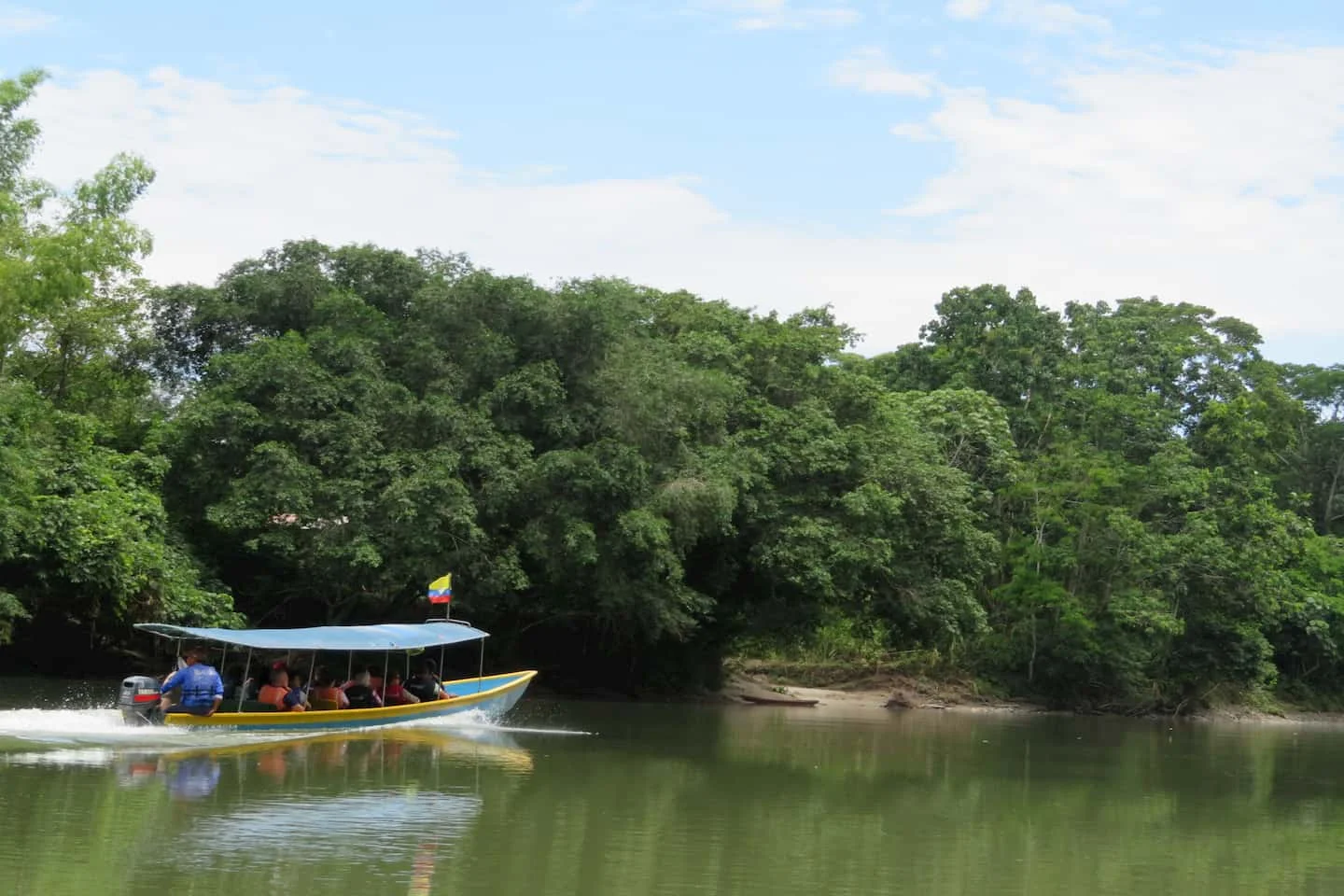
Short answer: yes, you can combine the Galápagos Islands, the Amazon rainforest, and the Andes mountains in a single Ecuador trip — and for travelers coming from the US, UK, or Europe who won’t be back anytime soon, it’s one of the most efficient ways to see three completely different ecosystems on one long-haul flight. […]
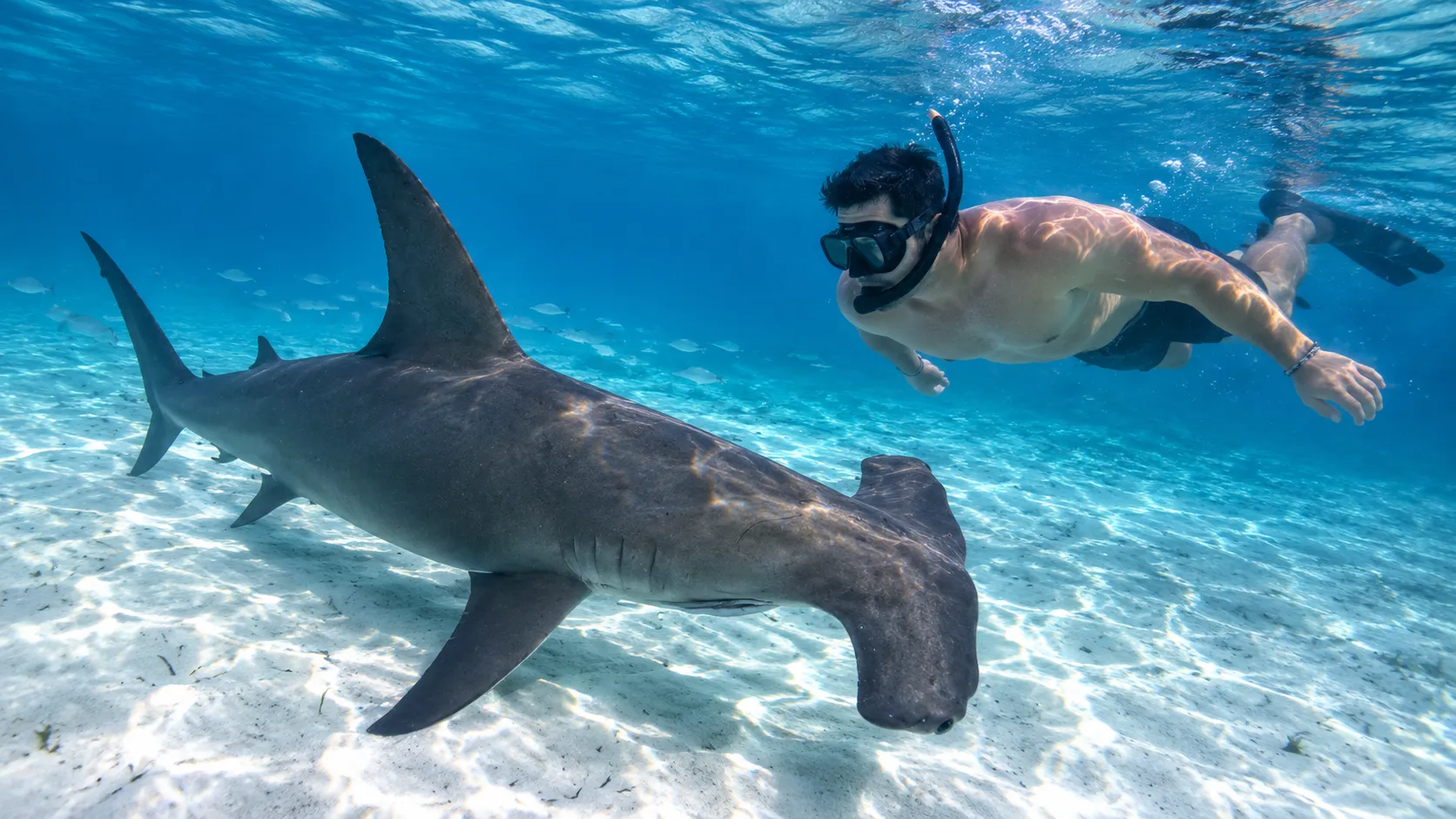
Short answer: the best hammerhead shark diving in the Galápagos — and arguably in the world — is at Darwin and Wolf Islands, two remote sites in the far north of the archipelago. Large schools gather here year-round, with the biggest numbers during the cold season (June to October), when nutrient-rich currents draw in an […]
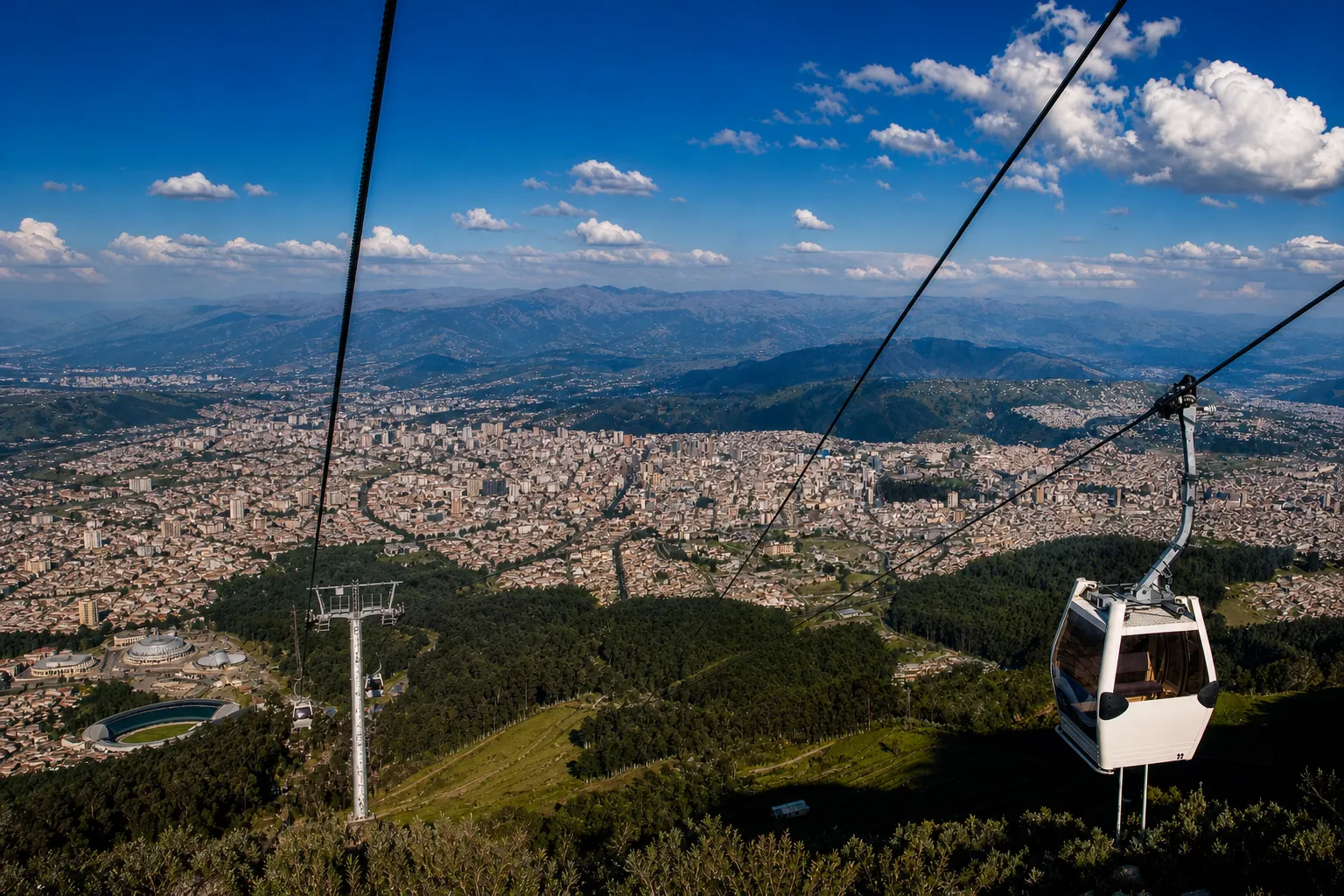
Short answer: yes, you can get altitude sickness in Quito, and it’s common — the city sits at roughly 2,850 meters (9,350 feet), making it the second-highest capital in the world. Most cases are mild, feel like a bad hangover (headache, fatigue, shortness of breath), and pass within a day or two if you take […]
