
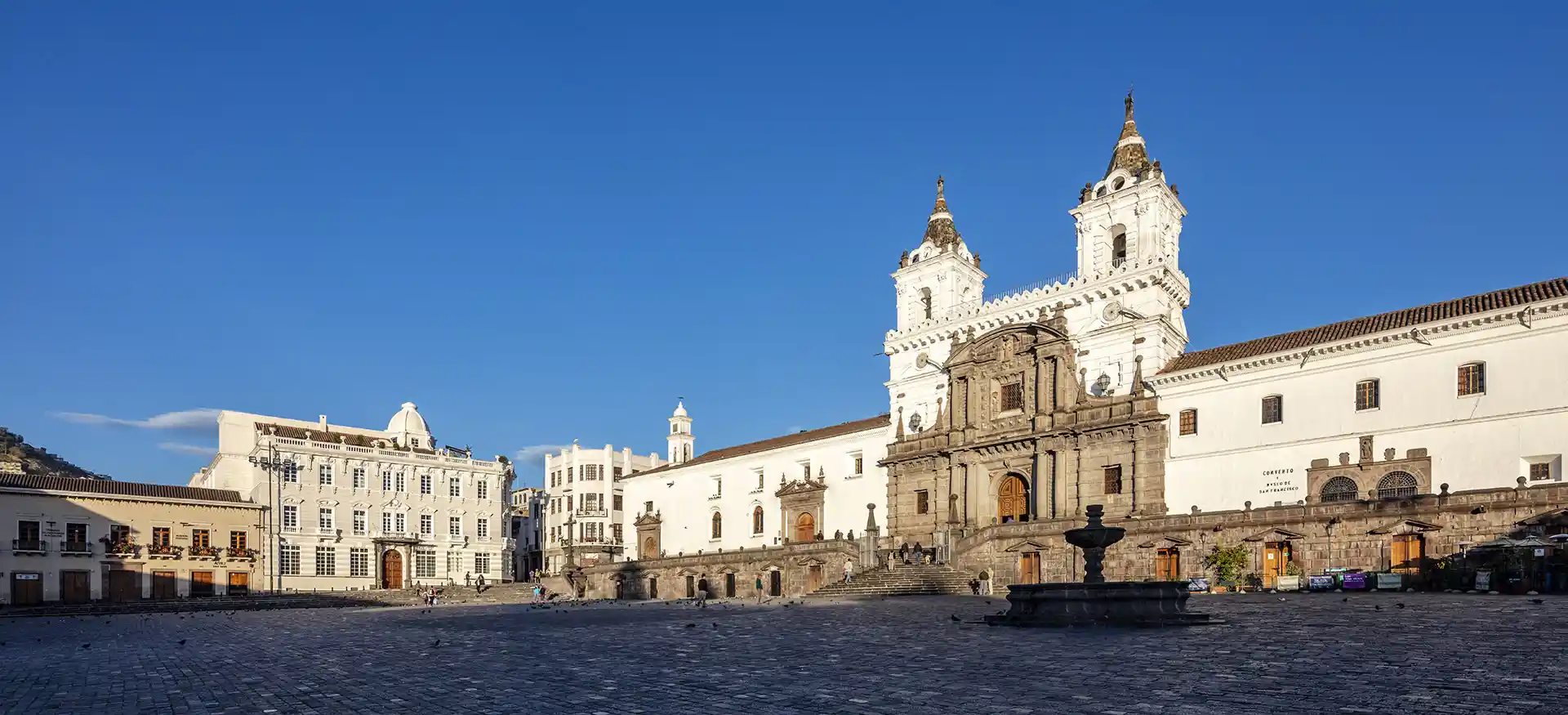
Short answer: yes, Ecuador is safe to visit in 2026 — but safety varies sharply by region. The Andean highlands (Quito’s tourist zones, Cuenca, Otavalo), the Amazon lodges, and the Galápagos Islands are all considered safe for travelers who stick to organized tours and common-sense precautions. The main areas to avoid are specific coastal provinces and the northern border with Colombia, which official government travel advisories flag separately.
If you’re planning a trip that combines mainland Ecuador with the Galápagos, here’s a clear, region-by-region breakdown of what “safe” actually means in each part of the country.
Which Parts of Ecuador Are Safe for Tourists in 2026?
The areas that see the vast majority of international visitors — the Andean highlands, the Amazon basin’s organized lodges, and the Galápagos Islands — are consistently described as safe for tourists who travel with reputable operators and stay within established visitor circuits. The Galápagos in particular benefits from strict, government-controlled access: every visitor group must travel with a certified naturalist guide, which keeps both wildlife and tourists well protected.
According to the UK Foreign, Commonwealth & Development Office (FCDO), the Andean highlands — including Quito, Cuenca, Loja, and most of the Sierra region — have homicide rates lower than many mid-sized cities in the United States or Europe.
Where to Be Careful: Coastal Provinces and Border Areas
The FCDO currently advises against all but essential travel to several coastal provinces, including Esmeraldas, Manabí, Santa Elena, Guayas, El Oro, Los Ríos, and Santo Domingo de los Tsáchilas, as well as areas within 20km of the Ecuador–Colombia border (with a few specific exceptions like the Rumichaca border crossing and the town of Tulcán). This does not affect airside transit through Guayaquil airport, which remains a normal gateway for flights to the Galápagos.
In practice, this means most travelers combining Galápagos with mainland Ecuador simply never enter the flagged coastal provinces — Quito, Cuenca, the Andes, and the Amazon lodges sit outside these advisory zones.
Is Quito Safe for Tourists?
Quito is generally safe during the day in the main tourist areas, with more caution recommended after dark. The neighborhoods most popular with visitors — La Floresta, González Suárez, and the Historic Center (which has a visible police presence) — are considered solid choices for accommodation. La Mariscal, Quito’s nightlife district, warrants extra caution at night.
Is Cuenca Safe?
Cuenca consistently ranks as one of Ecuador’s safest and most livable cities, popular with both tourists and long-term expats. Its compact, walkable historic center and lower crime rate make it a natural stop for travelers extending their trip beyond Galápagos and Quito.

Practical Safety Tips for Visiting Ecuador
- Use pre-booked private transfers, registered ride-sharing apps (Uber, Cabify), or official taxis rather than hailing cabs on the street.
- Stick to established tourism zones and travel with a certified local guide or operator, especially in the Amazon and Galápagos.
- Get travel insurance that covers your full itinerary — this is standard advice for any international trip and is often required for Galápagos entry.
- Check your government’s official travel advisory before you go, since regional risk levels can change.
How Does the Galápagos Compare?
The Galápagos Islands are widely considered one of the safest and most tightly regulated destinations in Ecuador, precisely because tourism there is so controlled: every visitor site requires a certified guide, daily visitor numbers are capped, and the islands are geographically isolated from the mainland risk zones. We cover this in detail in our guide to whether it’s safe to visit the Galápagos Islands.
Planning a trip that combines the Andes, the Amazon, and the Galápagos? Our local team can help you build a safe, well-organized itinerary across all three. Contact GalaApp or browse our Galápagos tours to get started.
Frequently Asked Questions
Yes, for the areas most tourists visit — the Andean highlands, Amazon lodges, and Galápagos Islands. Official advisories flag specific coastal provinces and the northern border, which fall outside the typical Galápagos-plus-mainland itinerary.
Yes, particularly in tourist neighborhoods like La Floresta, González Suárez, and the Historic Center during the day. Extra caution is recommended at night, especially in the La Mariscal nightlife district.
Yes — both cities sit in Ecuador’s Andean highlands, which have lower crime rates than many mid-sized US or European cities, and are outside the areas flagged by official travel advisories.
Several coastal provinces (including Esmeraldas, Manabí, and Guayas outside the airport) and areas within 20km of the Colombian border are flagged by official advisories for all but essential travel.
