
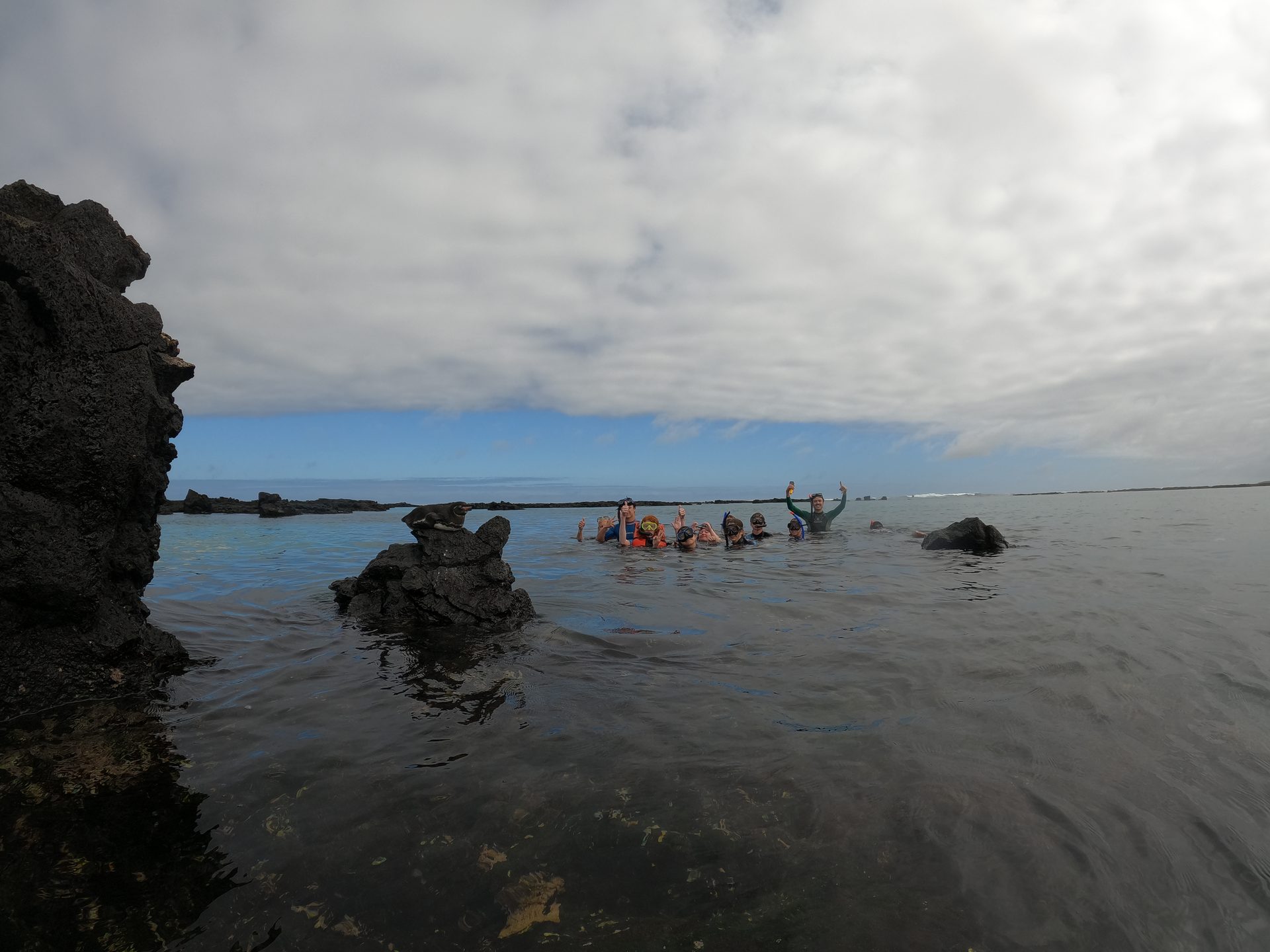
Short answer: Pack light, quick-dry layers, sturdy closed shoes and sandals, a swimsuit, reef-safe sunscreen, a hat and sunglasses, a refillable water bottle, a light rain jacket and a warm layer for boats. Also bring your passport, proof of a return flight and hotel booking, travel health insurance, your Transit Control Card receipt and enough US dollars in cash for the park entrance fee (US$200 per adult). Snorkel gear and wetsuits are usually provided on tours, so you can leave most of it at home.
Last reviewed: November 20, 2026. Rules and baggage allowances change, so confirm them with your airline and operator.
What to Pack by Season
| Season | Months | Weather and water | Pack extra |
|---|---|---|---|
| Warm and wet | December to May | Air about 27 to 32 °C, short heavy showers, water about 24 °C | Light, breathable clothing, a rain jacket and a rash guard. A wetsuit is usually not needed. |
| Cool and dry (garúa) | June to November | Air about 21 to 26 °C, cooler and sometimes misty, water about 18 to 21 °C | A warm layer for boats and evenings, and plan on a wetsuit for snorkeling. |
Our guide to the best time to visit the Galápagos explains what each season brings for wildlife.
Documents and Money
- Passport valid for at least 6 months after your arrival in Ecuador.
- Transit Control Card (TCT) receipt. The card costs US$20 and is bought at the Quito or Guayaquil airport before check-in.
- Return flight and hotel booking details. You may be asked to show them.
- Travel health insurance. It is mandatory for foreign tourists visiting the Galápagos.
- Cash in US dollars. Ecuador uses the US dollar. The park fee is US$200 per adult and US$100 per child under 12, usually paid in cash on arrival. Bring small bills for tips and small purchases.
- A credit or debit card for hotels and larger payments.
For all the details, see our Galápagos entry requirements guide.
Clothing
- 3 to 4 quick-dry t-shirts or tops, and 1 or 2 long-sleeve sun shirts.
- 2 pairs of shorts and 1 pair of lightweight long pants for trails and evenings.
- 2 swimsuits, so one can dry while you wear the other.
- A light rain jacket or poncho.
- A warm layer, such as a fleece, for boat rides and the cool season.
- A hat with a strap and sunglasses with a retaining strap.
- Something casual and clean for dinner in town. The Galápagos is relaxed and no formal clothes are needed.
Footwear
- Closed-toe trainers or light hiking shoes. Many trails cross sharp lava rock.
- Sport sandals. Useful for wet landings from small boats onto beaches.
- Flip-flops for the hotel and the beach.
- Water shoes are optional. Fins are usually provided on tours.
Sun, Skin and Insects
- Reef-safe sunscreen. The sun at the equator is strong. Sunscreen is not included on our tours.
- Lip balm with SPF and after-sun lotion.
- Insect repellent for the highlands and evenings.
Snorkeling and Water Gear
On our day tours we provide a mask, fins, a wetsuit and life jackets, and the 360º tour includes a microfiber towel. See what is on each of our tours, such as the Tour 360º and the Kicker Rock + Beach tour. Consider bringing:
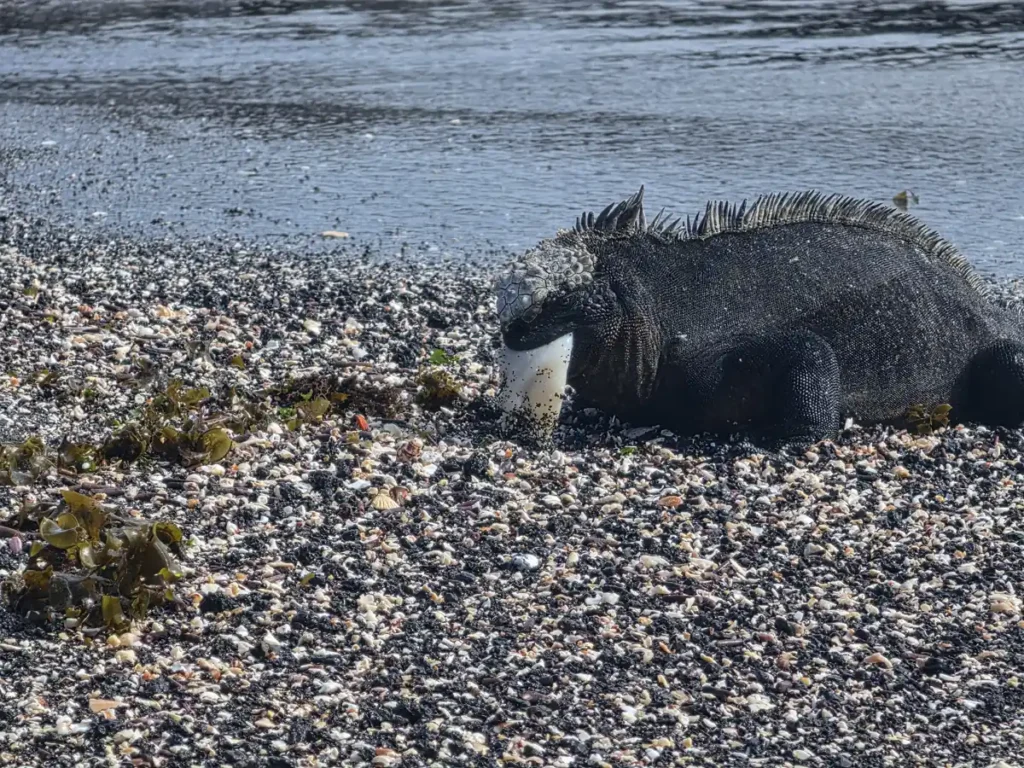
- A rash guard or long-sleeve swim top for sun protection.
- Your own mask and snorkel if you want a perfect fit.
- A waterproof phone pouch.
- A quick-dry towel, if your tour does not supply one.
For a day at one of the best snorkel sites, read our Kicker Rock snorkeling guide.
Electronics and Camera
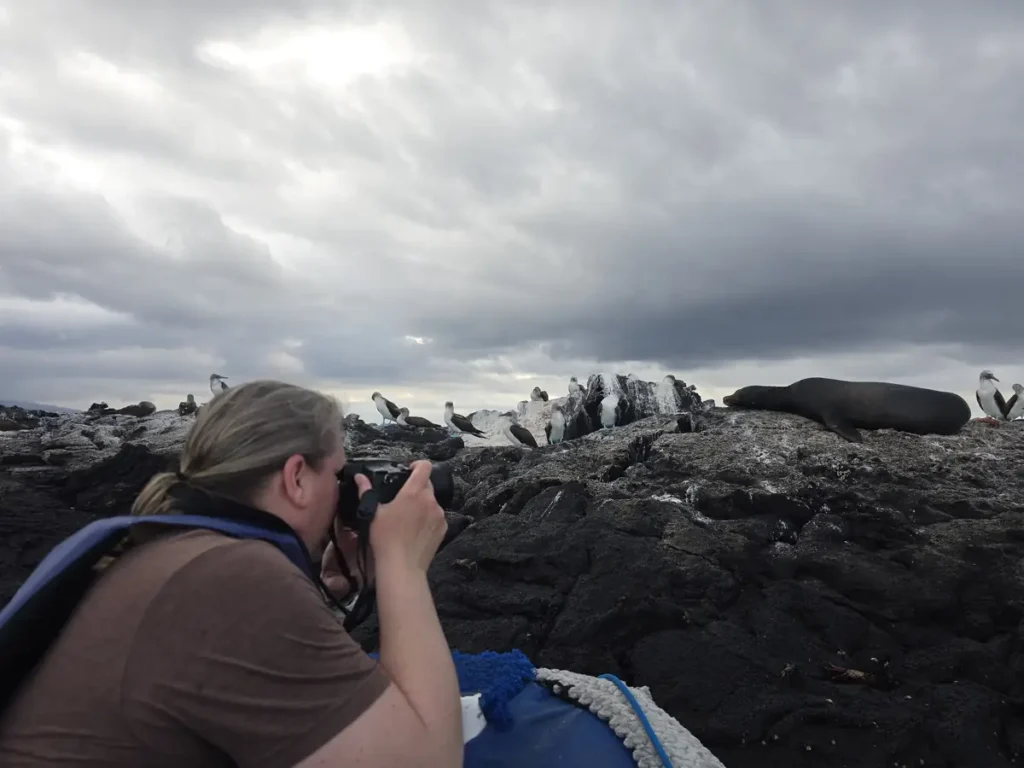
- Camera or GoPro with a wrist strap or float, and spare memory cards.
- Power bank for long days on the water.
- Plug adapter. Ecuador uses US-style (Type A and B) sockets at 120 V, so travelers from the UK and Europe need an adapter.
- Drones. Do not bring one unless you have authorization from the Galápagos National Park.
Health and Comfort
- Seasickness medication if you are prone to it. Read our seasickness guide for timing and tips.
- Prescription medicines in their original packaging, with a copy of the prescription.
- A small first-aid kit with plasters, pain relief and rehydration salts.
- Hand sanitizer and tissues.
- If you pass through Quito, see our guide to altitude sickness.
Eco-Friendly and Biosecurity Rules
The islands are protected, and inspectors check luggage at the mainland airports. Do not bring fresh fruit, vegetables, plants, seeds, soil or animal products, and avoid taking anything natural from the islands, such as shells, sand or rocks. Bring a refillable water bottle, because the islands limit single-use plastics, and clean your shoes so you do not carry seeds between islands.
Luggage Tips
- Use a soft bag. It is easier to store on boats and small vehicles.
- Check your domestic flight allowance. Flights from the mainland to the islands can have lower baggage limits than long-haul flights.
- Pack a small daypack for tours.
- Leave space for souvenirs, and bring a dry bag or zip bags to protect electronics.
What to Leave at Home
- Drones without park authorization.
- Fresh produce, seeds and plants.
- Single-use plastic items.
- Valuable jewelry and large amounts of cash beyond the park fee and tips.
- Heavy, formal clothing.
Quick Checklist for a Day Tour
- Swimsuit, towel, hat and sunglasses.
- Reef-safe sunscreen and a water bottle.
- A light layer for the ride back.
- Camera or GoPro, and cash for tips.
- Seasickness medication, taken before you board.
Plan Your Trip With Galaapp
Questions about what to pack for your tours? Message us and we will tell you what we provide and what to bring. Explore our tour packages and cruises.
Frequently Asked Questions
Pack quick-dry clothing, closed shoes and sandals, a swimsuit, reef-safe sunscreen, a hat, sunglasses, a refillable bottle, a rain jacket and a warm layer. Bring your passport, travel health insurance, Transit Control Card receipt and cash for the park fee.
Usually not. On our tours we provide a mask, fins, a wetsuit and life jackets. Bring your own mask if you want a perfect fit.
From June to November the water is cooler, about 18 to 21 °C, and a wetsuit is recommended. From December to May it is warmer, around 24 °C, and a wetsuit is usually not needed. Wetsuits are provided on our tours.
Only with authorization from the Galápagos National Park. Do not bring one without it.
Ecuador uses US-style Type A and B sockets at 120 V. Travelers from the UK and Europe need an adapter.
Bring enough US dollars for the park entrance fee, US$200 per adult and US$100 per child under 12, plus tips and small purchases.
Fresh fruit, vegetables, seeds, plants, soil and animal products are not allowed. Leave single-use plastics and drones without authorization at home.
Related Guides
- Best time to visit the Galápagos
- Galápagos entry requirements 2026
- Kicker Rock snorkeling tour
- Seasickness in the Galápagos
- How much a Galápagos trip costs
