
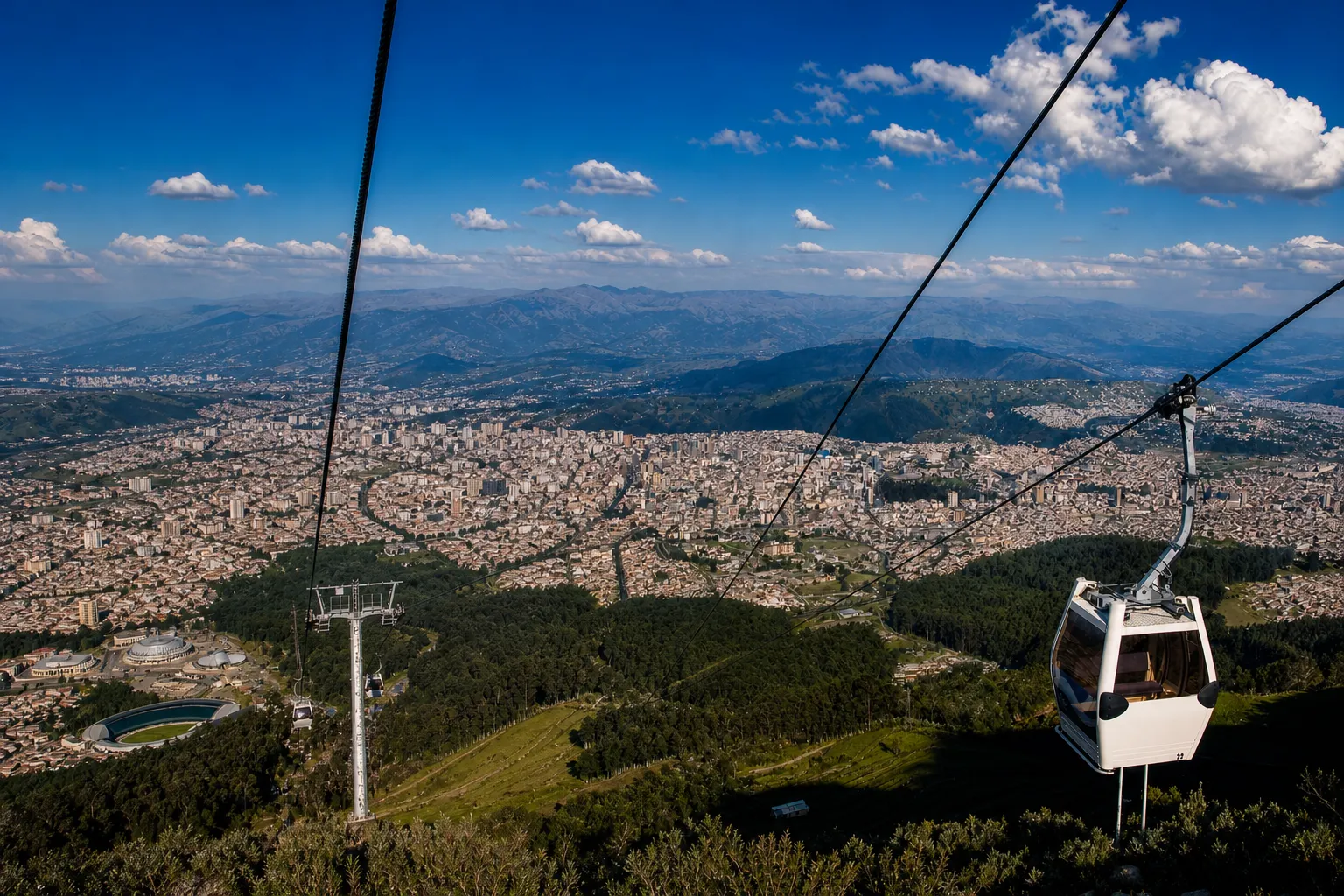
Short answer: yes, you can get altitude sickness in Quito, and it’s common — the city sits at roughly 2,850 meters (9,350 feet), making it the second-highest capital in the world. Most cases are mild, feel like a bad hangover (headache, fatigue, shortness of breath), and pass within a day or two if you take it easy, hydrate, and let your body adjust before your Galápagos flight.
Since there are no direct international flights to the Galápagos, almost every traveler connects through Quito or Guayaquil first. Guayaquil is at sea level, so if altitude is a concern, flying in and out through Guayaquil instead of spending time in Quito is worth considering — but if your itinerary includes Quito (and most do, since it’s the more common gateway with more flight options), here’s what to expect.
What Is Altitude Sickness (Soroche)?
Locally known as “soroche,” altitude sickness happens because the air at Quito’s elevation carries less oxygen than most travelers are used to. Common symptoms include a mild headache, shortness of breath during physical exertion, fatigue, dizziness, and nausea. For most healthy travelers, these symptoms are mild and resolve within a day or two as the body starts producing more red blood cells to carry oxygen.
How to Prevent Altitude Sickness in Quito
- Hydrate heavily — aim for at least 3 liters of water a day during your first days in the city.
- Avoid alcohol, tobacco, and sleeping pills for your first 24–48 hours, since they can worsen symptoms.
- Take it slow — skip strenuous hikes or intense activity on day one and let your body adjust.
- Eat light, easy-to-digest meals rather than heavy food.
- Get extra sleep the first few nights, since your body is working harder to adapt.
- Traditional coca tea is a legal, commonly used Andean remedy for mild symptoms.
- Wear sunscreen and a hat — Quito’s equatorial sun is intense even on cloudy days, and this is unrelated to altitude but catches many travelers off guard at the same time.
Should You See a Doctor Before Your Trip?
If you have a cardiovascular condition, an autoimmune condition, or any concern about how altitude might affect you, it’s worth checking in with your doctor before traveling. According to the CDC’s travel health guidance on high-altitude illness, some travelers use a prescription medication like acetazolamide to reduce symptoms — but that’s a decision to make with a physician, not on your own.
Does This Affect Your Galápagos Trip?
The good news: the Galápagos Islands are at sea level, so altitude stops being a factor the moment you land. Most itineraries spend only a night or two in Quito before flying to the islands, which is usually enough time for mild symptoms to fade. If you want to be extra cautious, consider arriving in Quito 1–2 days before your Galápagos flight rather than connecting the same day. See our full Galápagos Islands Travel Guide 2026 for the rest of your trip planning.
Planning your route through Quito to the Galápagos? Our local team can help you time your itinerary so you arrive at the islands feeling your best. Contact GalaApp or explore our Galápagos cruises.
Frequently Asked Questions
Yes — Quito sits at about 2,850 meters (9,350 feet), and mild altitude sickness (soroche) is common in the first day or two, especially headache, fatigue, and shortness of breath.
For most healthy travelers, mild symptoms resolve within a day or two as the body adjusts, especially with good hydration and rest.
No — the Galápagos Islands are at sea level, so altitude is no longer a factor once you land. Most travelers only spend a night or two in Quito before flying to the islands.
Yes, by flying to the Galápagos through Guayaquil, which is at sea level, instead of connecting through Quito.
