
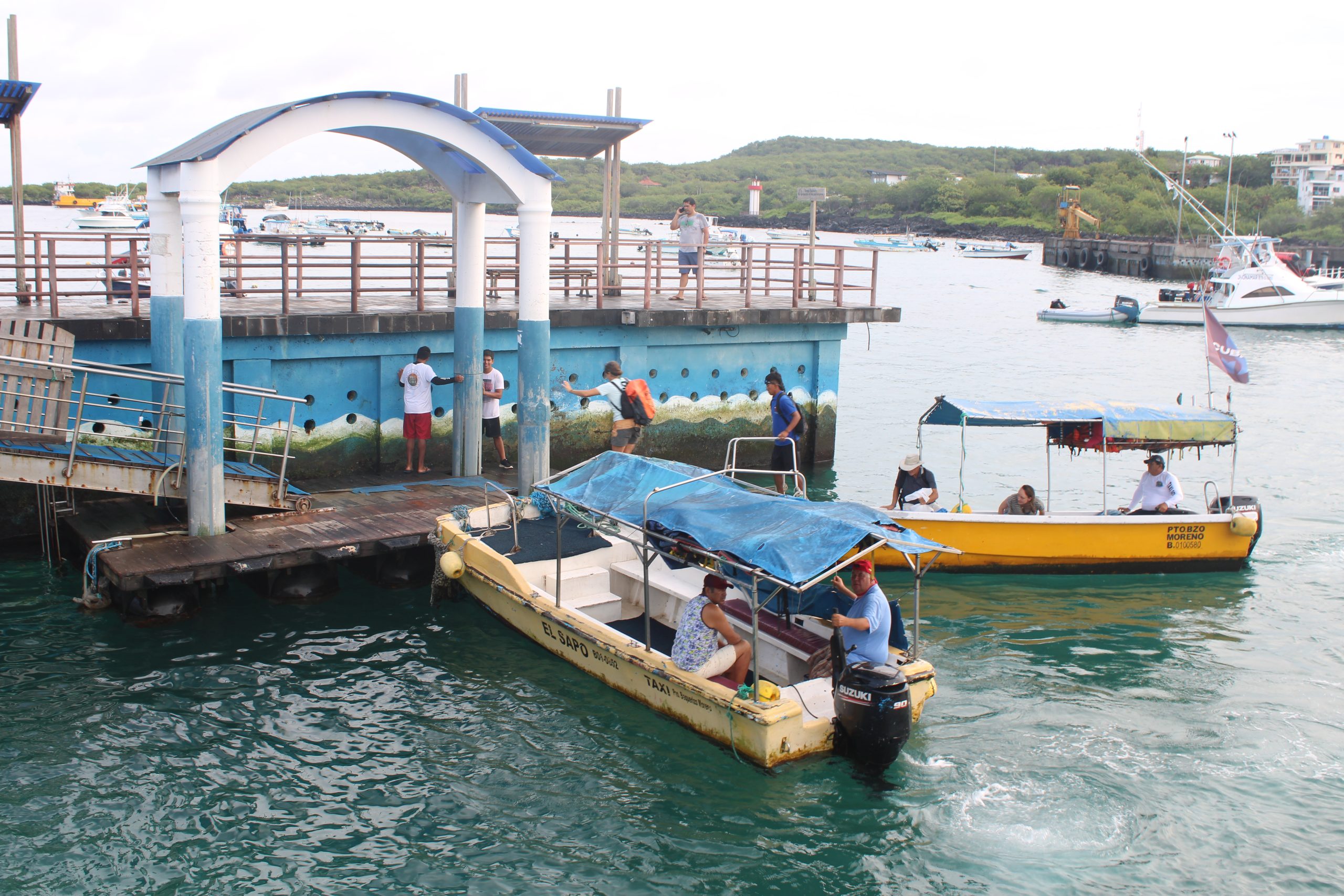
One of the biggest decisions you will make when planning a trip to the Galapagos Islands is whether to book a Galapagos cruise or a land-based tour. Both options offer an incredible experience, but they are very different in terms of cost, flexibility, and the range of wildlife and sites you will see. This guide breaks down everything you need to know to make the right choice for your trip in 2026.
The Galapagos Cruise: The Classic Experience
A Galapagos cruise is a live-aboard experience where you sleep on a boat and wake up each morning at a different island or visitor site. The boat acts as your floating hotel, traveling overnight while you sleep so that you arrive fresh at a new destination each day. Most Galapagos cruises range from 4 to 15 days and are offered in four categories: budget, tourist class, first class, and luxury.
Advantages of a Galapagos Cruise
- Access to remote islands: Many of the most spectacular visitor sites in the Galapagos — Española, Fernandina, Genovesa, Darwin, Wolf — are only accessible by overnight cruise. Day trips from the inhabited islands simply cannot reach these places.
- Maximum wildlife coverage: By visiting a different island each day, you encounter a far greater diversity of species and landscapes than is possible with a land-based approach.
- Excellent naturalist guides: Galapagos cruise naturalist guides are licensed by the National Park and provide expert interpretation of everything you encounter. The educational depth of a cruise is unmatched.
- Efficient use of time: If you have limited vacation time, a cruise maximizes your wildlife exposure. You are always at the right place at the right time.
- All-inclusive pricing: Most cruises include all meals, activities, and guiding, so your costs are predictable.
Disadvantages of a Galapagos Cruise
- Cost: A Galapagos cruise is expensive. Budget cruises start around $1,500–$2,000 USD per person for 4–5 days. First-class and luxury options range from $4,000 to $15,000 USD per person per week.
- Seasickness: The waters between Galapagos islands can be rough, particularly in the Bolivar Channel between Isabela and Fernandina. If you are prone to seasickness, bring medication and choose a larger, more stable vessel.
- Fixed itinerary: Cruises operate on fixed schedules and routes. There is little room for spontaneity. If you want to spend an extra day at a particular island, you simply cannot.
- Limited cultural immersion: You spend most of your time on the boat or at uninhabited visitor sites, with little interaction with local Galapagos communities.
The Land-Based Tour: Flexibility and Local Immersion
A land-based Galapagos tour means staying at a hotel or guesthouse on one of the four inhabited islands — Santa Cruz, San Cristóbal, Isabela, or Floreana — and taking guided day tours to nearby visitor sites. You can also take inter-island ferries to explore multiple islands at your own pace.
Advantages of a Land-Based Tour
- Cost: A land-based trip is significantly more affordable than a cruise. You have full control over your daily spending on accommodation, food, and activities.
- Flexibility: You decide what to do each day. If you fall in love with a particular beach or snorkeling spot, you can go back. If you want a rest day, you take one.
- Local food and culture: Staying in town gives you access to local restaurants, markets, and cultural experiences that cruise passengers never see. The Galapagos has a vibrant local community worth exploring.
- Comfortable sleeping: A real bed in a real hotel, no boat motion, and a proper bathroom. For many travelers, this is a significant advantage.
- Great for families with young children: Children who might not cope well with boat movement, confined spaces, or rigid schedules often have a much better time with a land-based approach.
Disadvantages of a Land-Based Tour
- Limited island coverage: Most of the remote, “bucket list” visitor sites in the Galapagos are not accessible by day trip. You will miss Española, Fernandina, Genovesa, and the northern dive islands.
- Inter-island ferry logistics: Moving between islands requires planning — ferries run twice daily and can be rough. You also need to book day tours in advance for popular sites.
- Less efficient for wildlife diversity: Each island in the Galapagos has evolved different species. Seeing the full range of Galapagos wildlife requires visiting multiple islands, which is harder to achieve with a land-based approach.
Side-by-Side Comparison: Cruise vs. Land-Based
| Factor | Cruise | Land-Based |
|---|---|---|
| Cost (7 days) | $2,000–$10,000+ | $800–$2,500 |
| Islands visited | Up to 10+ | 2–4 |
| Flexibility | Low | High |
| Remote sites | Yes | Limited |
| Wildlife diversity | Very high | High |
| Seasickness risk | Moderate-High | Low |
| Local food/culture | Limited | Excellent |
| Best for | Wildlife enthusiasts, photographers | Families, budget travelers, adventurers |
Which Option Is Right for You?
Choose a Galapagos Cruise if: You have a limited time window (10 days or less), wildlife photography or wildlife diversity is your top priority, you are comfortable on boats, and you have the budget to invest in a quality experience.
Choose a Land-Based Tour if: You are traveling on a tighter budget, you want flexibility and spontaneity, you are traveling with young children, you suffer from seasickness, or you want to deeply immerse yourself in local Galapagos culture and community.
Consider combining both: One of the best strategies is to spend a few days on a shorter 4–5 day cruise to see the remote islands, then extend your trip with land-based exploration on Santa Cruz, San Cristóbal, or Isabela. This gives you the best of both worlds.
Frequently Asked Questions
It depends on your priorities — cruises reach more remote sites and offer higher wildlife diversity, while land-based tours are more flexible, budget-friendly, and offer more local culture and food.
A 7-day cruise typically costs $2,000–$10,000+ per person, while a land-based tour for the same length runs $800–$2,500.
Land-based tours have low seasickness risk, while cruises carry a moderate-to-high risk since you sleep and travel aboard the boat.
Book Your Galapagos Experience with GalaApp
GalaApp offers both Galapagos cruises (in first class, luxury, and tourist class categories) and land-based island tours on Santa Cruz, San Cristóbal, and Isabela. As a locally-owned agency based in the Galapagos, we can give you honest, firsthand advice on which option is best for your specific situation and budget. Get in touch with our team today.
Cruise or Land Tour? We Help You Decide.
Compare our Galápagos cruises and land-based tours side by side. We will match you with the perfect experience.
