
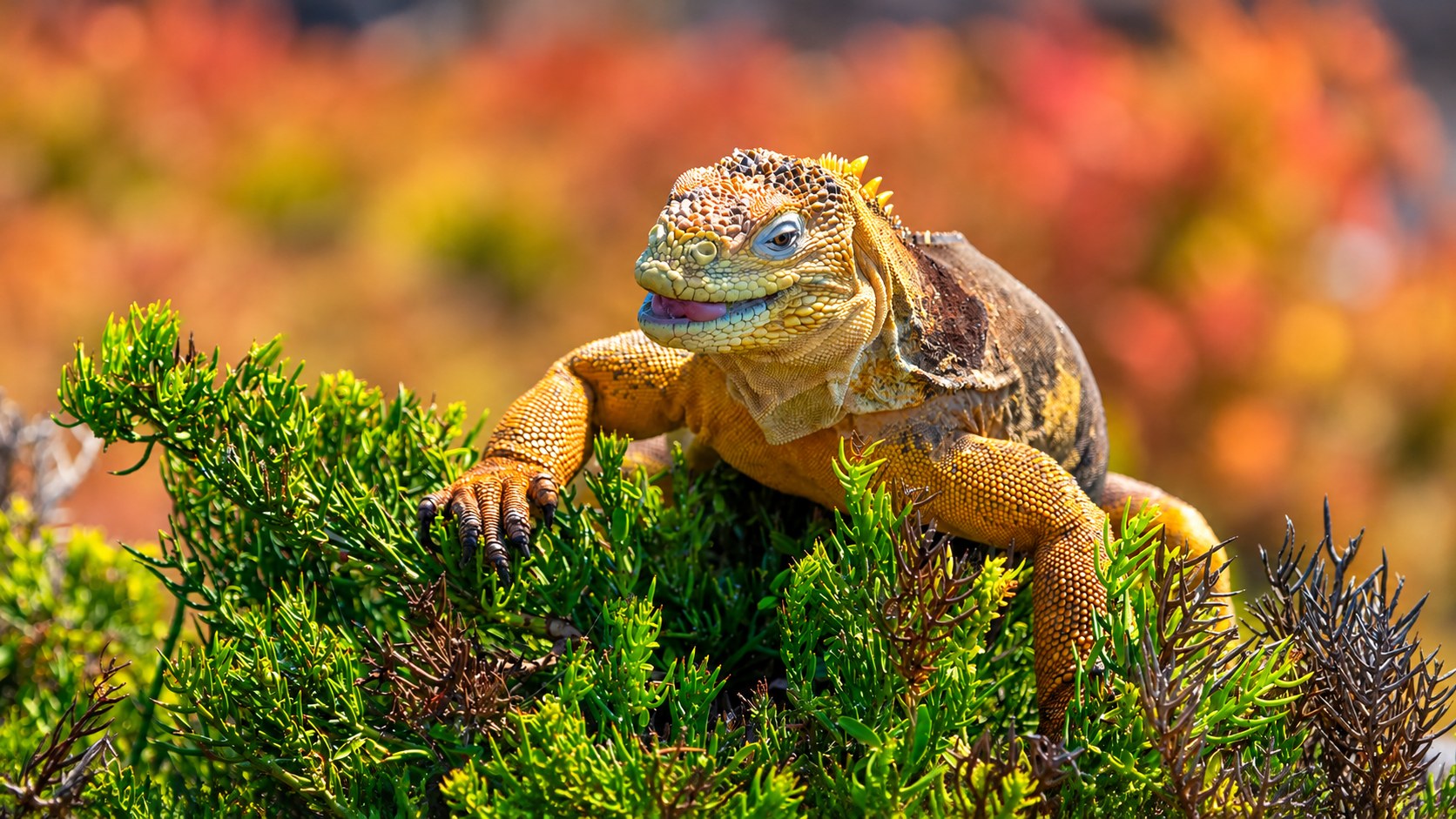
Short answer: yes, you can still travel to the Galápagos during the 2026–27 El Niño, but you should plan with your eyes open. A strong El Niño is under way in the Pacific, and it has already brought exceptional rain: on October 30 and 31, 2026, flooding on Santa Cruz led authorities to declare an emergency, Baltra airport briefly suspended operations, and the national park temporarily restricted six visitor sites. Warmer water can mean fewer sea lions, penguins and marine iguanas in some places later in the season, while land wildlife and vegetation tend to flourish. The right plan depends on your dates, your islands and how flexible you can be. Authorities have asked travelers to keep their plans: on November 7, the national government reported that tourism on Santa Cruz is operating, flights to Baltra are on normal schedules and several visitor sites have reopened, while others remain closed.
Last updated: November 20, 2026. This situation is changing quickly. Before you travel, check the Galápagos National Park’s official channels and ask your operator for current conditions.
What Is Happening in the Galápagos Right Now?
Here is the timeline as we understand it, based on official announcements and news reports.
- June 11, 2026: NOAA’s Climate Prediction Center issued an El Niño Advisory, meaning El Niño conditions were present and expected to strengthen into the Northern Hemisphere winter of 2026–27. Forecasters said it could rank among the largest events since records began in 1950.
- August 2026: the World Meteorological Organization described El Niño as firmly established and strengthening, with a near-certain chance of persisting through early 2027 and peaking toward the end of 2026.
- October 9, 2026: heavy swell led the national park to close seven visitor sites for one day across Santa Cruz, San Cristóbal and Isabela.
- October 30 and 31, 2026: hours of intense rain flooded neighborhoods on Santa Cruz and damaged roads, and the cantón was declared in emergency. Baltra airport suspended operations for part of the morning of October 31 and resumed later. The floods also cost at least one life, according to AFP.
- October 31, 2026: the national park restricted access to six visitor sites. On Santa Cruz these were Playa El Garrapatero, Las Grietas, Puntudo and El Chato, and on San Cristóbal Puerto Chino and Playa Baquerizo. No reopening date was announced at the time.
- November 4, 2026: local media reported that at least nine sectors of Santa Cruz remained under evacuation measures, and humanitarian flights were bringing aid to the island.
- November 7, 2026: the national government, citing the park directorate’s evaluations, reported that some visitor sites had reopened: La Lobería and Punta Carola on San Cristóbal, and Playa El Garrapatero on Santa Cruz. Puerto Chino and Playa Baquerizo (San Cristóbal), Las Grietas, El Chato and Puntudo (Santa Cruz) and Los Humedales (Isabela) remained closed or restricted while inspections continued. Authorities said tourist activity on Santa Cruz was operating and that flights to Baltra were on normal schedules, and they urged travelers to keep their plans, check official channels and ask their operators about access to the sites on their itineraries.
- November 12, 2026: NOAA’s Climate Prediction Center kept the El Niño Advisory in place. The Niño 3.4 index reached +2.5°C, forecasters put the chance of a strong-to-very-strong event through January–March 2027 at more than 79%, and they see roughly a 60% chance that it reaches historic strength. They said weakening could begin in early 2027.
- November 12–18, 2026: as a precaution during a heavy-rain alert, the national park temporarily closed La Lobería and Punta Carola on San Cristóbal, two of the easiest sites to reach from town. The park reported no damage, and both sites reopened on November 18. We have not seen an official update on the other restricted sites listed above as of November 20, so confirm each one before you travel.
Our thoughts are with the families on Santa Cruz who are recovering. The Galápagos is a small community, and many of the people affected work in tourism. Tourism services elsewhere in the archipelago kept operating, although some itineraries needed temporary changes.
Recovery is under way. Electricity has been restored on Santa Cruz, municipal crews have been clearing debris and reopening roads, and the government has sent humanitarian aid by air. The president of the national emergency committee (COE) has also said that some areas still need drainage works such as culverts, ducts and bridges, so repairs will continue for some time. In other words, the island is getting back on its feet, but it is not yet back to normal everywhere.
What Is El Niño, and Why Do the Galápagos Feel It So Strongly?
In a typical year, trade winds push warm surface water west across the Pacific, and cold, nutrient-rich water rises around the Galápagos. That cold upwelling feeds plankton, fish and, in turn, sea lions, penguins, seabirds and marine iguanas. During El Niño the winds weaken, warm water stays in the eastern Pacific, and the upwelling becomes less productive. The islands also tend to get more rain. Many species evolved here alongside these cycles, which is why the Galápagos has been a natural laboratory for evolution since Darwin’s visit.
What El Niño Means for Wildlife
In the ocean
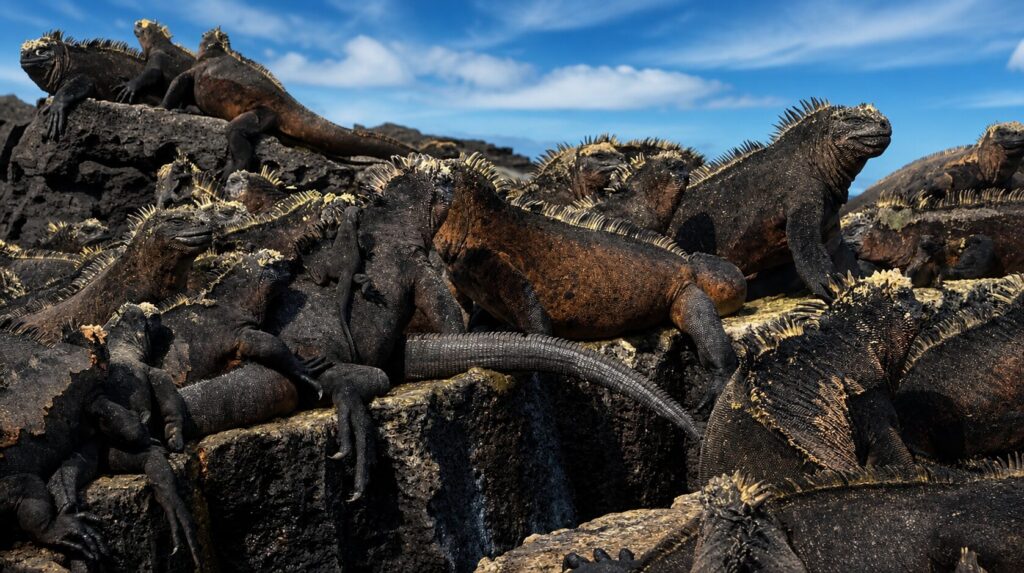
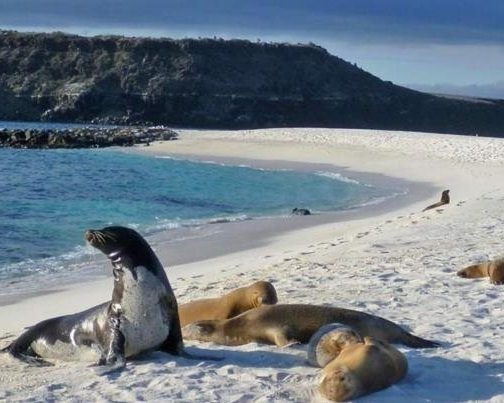
Warmer, less productive water can put pressure on species that depend on cold-water food, including sea lions, Galápagos penguins, marine iguanas, flightless cormorants and blue-footed boobies. In September, dive operators told The Scuba News that the water was unusually warm for the season, with fewer sharks and some missing whale sharks, and rougher surface conditions around the northern and western islands. Scientists quoted by the Associated Press have warned that seabirds and sea lions could struggle if food stays scarce. On the other hand, a San Cristóbal tour operator reported in August that wildlife encounters on its tours had stayed active and mostly unchanged. Wildlife is never guaranteed, and it varies by island and by site.
On land
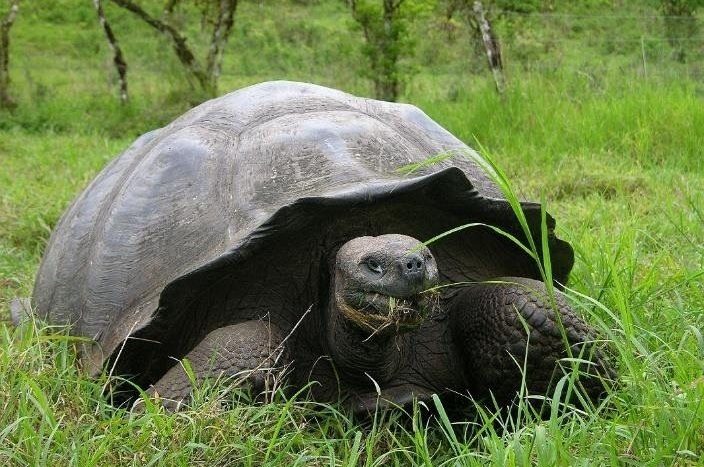
Rain turns the coast and highlands greener. More plants, seeds and insects usually mean good conditions for giant tortoises, land iguanas and Darwin’s finches. Visitors who know the Galápagos as a dry volcanic landscape sometimes find a green version of it a pleasant surprise.
What history tells us, and what it does not
Past events show what is possible, not what will happen. After the strong 1982–83 El Niño, research cited by Quasar Expeditions found that the Galápagos penguin population fell by more than three-quarters and that coral mortality at surveyed shallow sites reached about 97%. Penguins survived and number roughly 2,000 today, concentrated around Isabela and Fernandina. No two El Niños are the same, and scientists will be watching this one closely.
What El Niño Means for Your Trip
| Aspect | What may change | What to do |
|---|---|---|
| Rain and weather | More rain than usual, especially in the warm season, with a greener landscape | Pack a light rain jacket and a dry bag, and expect some schedule changes |
| Sea conditions | Rougher swell at times, especially on the northern and western sides | Ask your operator how itineraries adapt, and bring seasickness medication if you need it |
| Water temperature | Warmer than usual, which many snorkelers find more comfortable | Ask whether wetsuits are still recommended on your tours |
| Wildlife | Possible changes in marine species at some sites; land wildlife usually benefits | Keep expectations flexible and rely on your naturalist guide |
| Visitor sites and transport | Temporary site closures, road damage and short flight disruptions are possible | Build a buffer day, confirm flights 48 hours ahead and follow park announcements |
Which Trips Are Most Affected?
Santa Cruz has felt the impact most so far, including road damage between Puerto Ayora and the highlands, where many tortoise visits take place, and closures of several beach and visitor sites. Cruises depend on sea conditions, while land-based trips depend on roads, ferries and open sites, so neither is immune. A flexible operator can reorder islands, swap a closed site for an open one or add a different excursion. If you are weighing both options, read our cruise vs. land-based guide and our island hopping itineraries.
How to Plan a Galápagos Trip During El Niño
- Choose flexibility over a rigid plan. Ask about changing dates, reordering islands and what happens if a site closes.
- Read your cancellation and insurance terms. Look at weather and medical coverage and how disruption is handled before you pay.
- Add buffer days on both ends so a delayed flight does not cost you the trip. Our guide on how to get to the Galápagos from the US explains why.
- Pack for rain and sun: see our Galápagos packing list.
- Check official sources a few days before you fly, including the park’s social channels for site closures.
- Travel with a local team. Local operators see the conditions every day and keep your spending in the community that is recovering.
Should You Still Travel? Our Honest View
We live on these islands, and we would rather tell you what we know than sell you a promise. If you need a guaranteed wildlife list or a perfectly predictable week, a strong El Niño is not the easiest year to visit. If you are flexible, curious and happy to see a living ecosystem respond to change, the Galápagos remains extraordinary, with warmer water, greener land and guides who can explain exactly what you are seeing. The islands have lived through El Niño for thousands of years, and tourism is what many local families rely on, including those rebuilding right now. If you have a trip booked, talk to your operator rather than cancelling or postponing in a hurry. The authorities have asked the same: keep your plans, stay informed through official channels and ask your operator about site access. Visitors who keep traveling also support the families and businesses of Santa Cruz as they recover. If you are still choosing dates, we are happy to talk through the options.
How Long Will El Niño Last?
Forecasters expect El Niño to peak around the end of 2026 and to stay strong into early 2027 before it starts to weaken. In its November 12 update, NOAA said the chance of a strong-to-very-strong event through January–March 2027 is above 79%, and about 60% for a historic one. NOAA publishes a new diagnostic discussion each month, and the next is due in December. Our best time to visit the Galápagos guide explains the normal seasons, and our Galápagos safety guide covers general travel safety.
Frequently Asked Questions
The islands remain open to visitors. After the October floods on Santa Cruz, the government reported that tourism is operating and flights to Baltra are on normal schedules, and it urged travelers to keep their plans. Conditions vary by site, so check official announcements and ask your operator before you travel.
Not automatically. Operators adapt itineraries to sea and weather conditions, and some activities or sites may change or close temporarily. Ask your operator how disruptions are handled and read your booking terms.
Yes, you will still see wildlife, but the mix may differ. Land species such as tortoises and iguanas often thrive in wetter conditions, while some marine species may be less abundant in certain places. Your naturalist guide can help you read what you see.
Sea temperatures tend to be warmer than usual, and many snorkelers find that more comfortable. Wetsuits may still be advised on some tours, so ask your operator.
After the October 31, 2026 floods, the park restricted six sites. As of November 7, La Lobería, Punta Carola and Playa El Garrapatero had reopened, while Puerto Chino, Playa Baquerizo, Las Grietas, El Chato, Puntudo and Los Humedales remained closed. Closures change often, so check the Galápagos National Park’s official channels for the current list.
Forecasters expect it to peak around the end of 2026 and to remain into early 2027 before weakening. NOAA updates its outlook monthly.
Sources and Further Reading
- NOAA Climate Prediction Center, ENSO Diagnostic Discussion
- World Meteorological Organization, El Niño/La Niña Update, August 2026
- El Comercio: six visitor sites closed in the Galápagos because of heavy rain
- El Comercio: seven visitor sites temporarily closed because of strong swell
- Primicias: Santa Cruz in emergency, Baltra airport suspends operations
- Teleamazonas: nine sectors evacuated on Santa Cruz
- Voyagers Travel: heavy El Niño rains trigger state of emergency
- The Scuba News: what a historic El Niño could mean for diving the Galápagos
- Quasar Expeditions: El Niño in the Galápagos, what travelers should know in 2026–27
- El Universo: Galápagos reopens key tourist sites after the rains, flights remain normal
- Primicias: some Galápagos sites enabled, others remain closed
- El Comercio: Galápagos reopens tourist sites but keeps restrictions
- El Comercio: Galápagos faces a humanitarian emergency and receives aid after the floods
- El Comercio, La Lobería y Punta Carola reopen to the public (November 2026)
- Primicias, two Galápagos visitor sites close temporarily for rain warning (November 12, 2026)
- FOX10, report on NOAA’s November 12, 2026 El Niño update
