
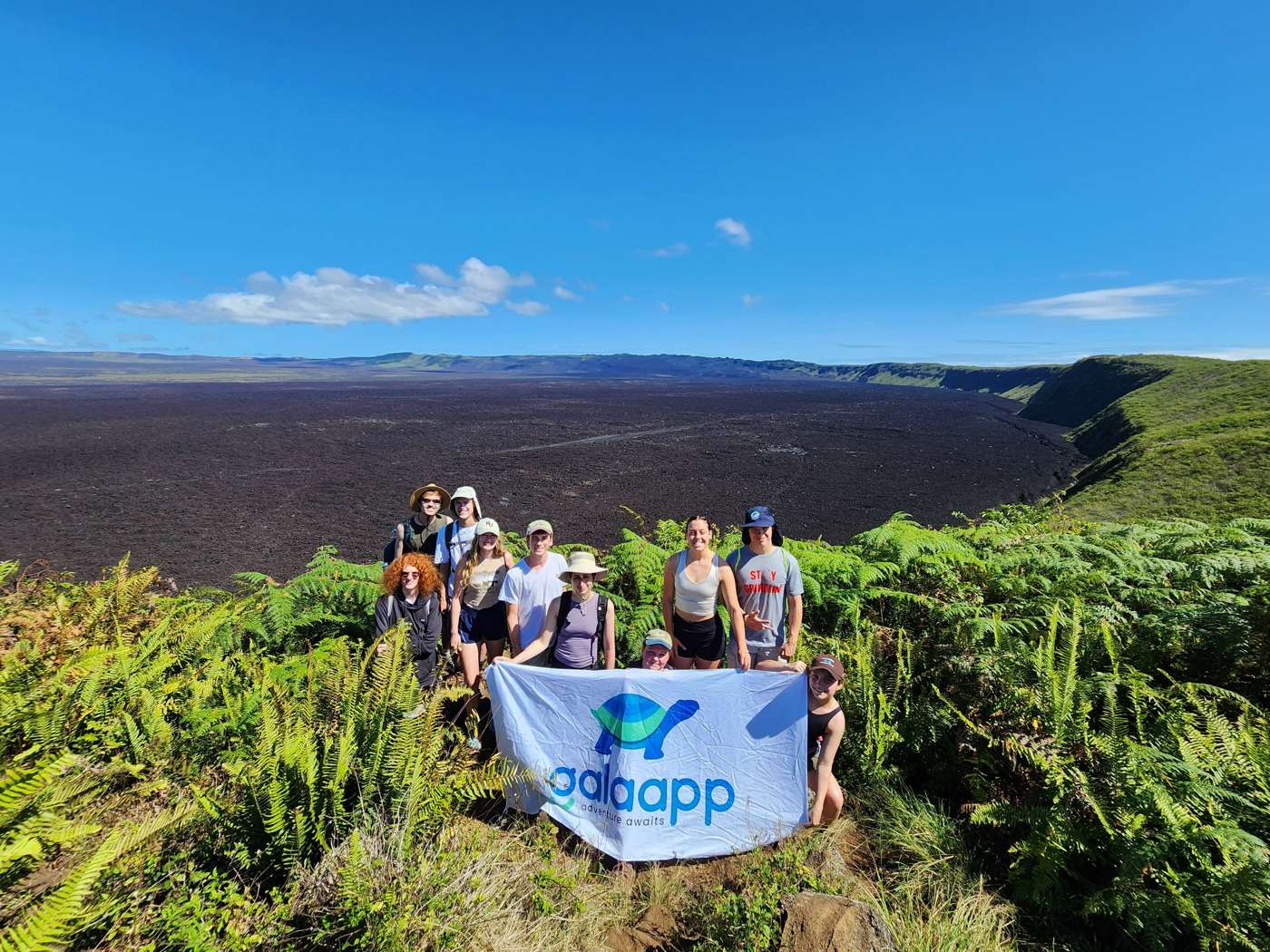
Short answer: Galapagos island hopping means sleeping in hotels on the inhabited islands (Santa Cruz, Isabela and San Cristóbal) and reaching the wildlife on guided day trips and short speedboat crossings, instead of living aboard a ship. The best Galapagos island hopping itinerary for a first visit takes 7 to 9 days and combines two islands: Santa Cruz with Isabela, or Santa Cruz with San Cristóbal. Our 9-day program starts from US$1,450 per person for groups of ten or more (US$1,950 for two travelers), before flights and park fees.
It is also how most people visit. According to the Galápagos National Park Directorate’s 2025 visitor report, about 79% of arrivals stayed on land and 21% aboard boats, and the share of foreign visitors choosing land-based stays grew again that year. Below you will find how island hopping works, three itineraries you can copy, what it really costs, and how to decide between it and a cruise.
Last reviewed: November 9, 2026. Prices and conditions can change; see the note on current conditions in Santa Cruz below.
What Is Galapagos Island Hopping?
On an island-hopping trip you base yourself in a hotel on one island, take day tours by boat to nearby islets and snorkeling sites, and move to the next island by scheduled speedboat. There is no cabin to share with strangers and no overnight sailing, and your evenings are free to explore town. Every visit to a protected area is made with an accredited Galápagos naturalist guide, as the national park requires, so you are never exploring on your own.
Island Hopping vs. a Cruise: What You Gain and What You Give Up
| Question | Island hopping | Cruise |
|---|---|---|
| Where you sleep | Hotels in Puerto Ayora, Puerto Villamil or Puerto Baquerizo Moreno | A cabin on a small ship or yacht |
| Seasickness | Short speedboat crossings between islands | Overnight navigation between islands |
| Remote islands (Fernandina, Genovesa, Darwin and Wolf) | Mostly out of reach | The main advantage of a cruise |
| Flexibility | Free evenings, restaurants and time in town | A fixed daily schedule |
| Price visibility | A price per person for the program; dinners and extras are separate | Usually more inclusive and usually higher |
| Good for | Families, first-timers, travelers who dislike boats, shorter trips | Photographers, divers, travelers who want the remote sites |
Neither is better in every case. If your priority is the remote northern and western islands, a cruise is the right tool, and we compare both honestly in our Galapagos cruise vs. land-based tour guide. If you want comfort, flexibility and more time on each island, island hopping delivers more than most travelers expect.
How Does Island Hopping Work Day by Day?
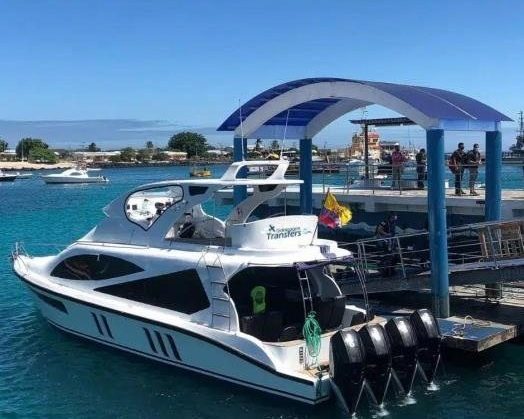
You fly to Baltra (for Santa Cruz) or to San Cristóbal, then follow a simple rhythm: a morning excursion with your guide, a break in town, and either a second activity or a free afternoon. When you change islands, a scheduled speedboat takes you between the main ports, usually around two hours at sea, and your hotel transfer is waiting on the other side. If you are flying in from the United States, our guide to how to get to the Galápagos from the US explains the flights step by step.
Itinerary 1: Galapagos Island Hopping in 9 Days (Santa Cruz and Isabela)
This is the route of our own 9-day program, designed for a first visit: two nights on the mainland, two on Santa Cruz and four on Isabela. The order of activities can change with weather, sea conditions or park instructions.
- Day 1, Quito or Guayaquil: airport reception, private transfer, dinner and an early night before the morning flight.
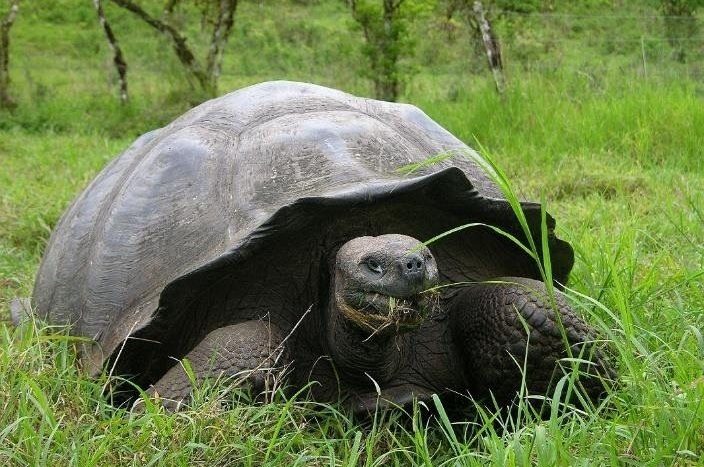
- Day 2, fly to Baltra, Los Gemelos and a tortoise ranch: two collapsed craters in Scalesia forest, then giant tortoises roaming freely. Overnight in Puerto Ayora.
- Day 3, North Seymour and Mosquera Islet: blue-footed boobies and frigatebirds on a guided walk, then a sea lion colony and optional snorkeling.
- Day 4, Tortuga Bay and speedboat to Isabela: a 2.5 km walk to one of the finest beaches in the Galápagos, then the crossing to Puerto Villamil.
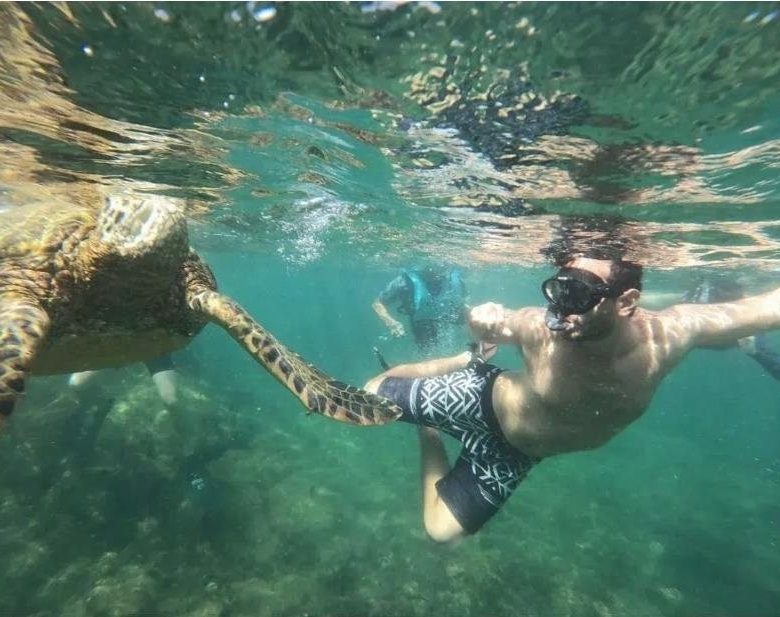
- Day 5, Los Túneles and Concha Perla: lava arches, sea turtles and snorkeling in calm water.
- Day 6, Sierra Negra and Flamingo Lake: a hike toward Volcán Chico on the flanks of Sierra Negra, whose caldera is about 10 km across, then flamingos in the afternoon.
- Day 7, wetlands, breeding center and Wall of Tears by bike: mangroves, giant tortoises and the wall built by hand by prisoners of the former penal colony.
- Day 8, back to Santa Cruz and the mainland: speedboat, Baltra airport and a farewell dinner on the mainland.
- Day 9, departure: breakfast and transfer to the international airport.
See the full program, hotels and inclusions on our Superior Tourist, First Class and Tourist class pages.
What does the 9-day program cost?
| Group size (price per adult) | Tourist class | Superior Tourist | First Class |
|---|---|---|---|
| 2 travelers | US$1,950 | US$2,150 | US$3,325 |
| 10 or more travelers | US$1,450 | US$1,650 | US$2,225 |
Prices are per adult in double occupancy. Round-trip flights between mainland Ecuador and the Galápagos, the Transit Control Card and the national park entrance are an add-on of US$840 per person. Prices fall as the group grows, and we build custom prices for groups of 3, 5, 7 or 9. For a full budget breakdown, read our guide to what a Galápagos trip costs in 2026–27.
Itinerary 2: 7 to 8 Days Between Santa Cruz and San Cristóbal
This sample route is one we can build for you. It suits travelers who want the classic highlights plus San Cristóbal’s sea lions and Kicker Rock, on the island we call home.
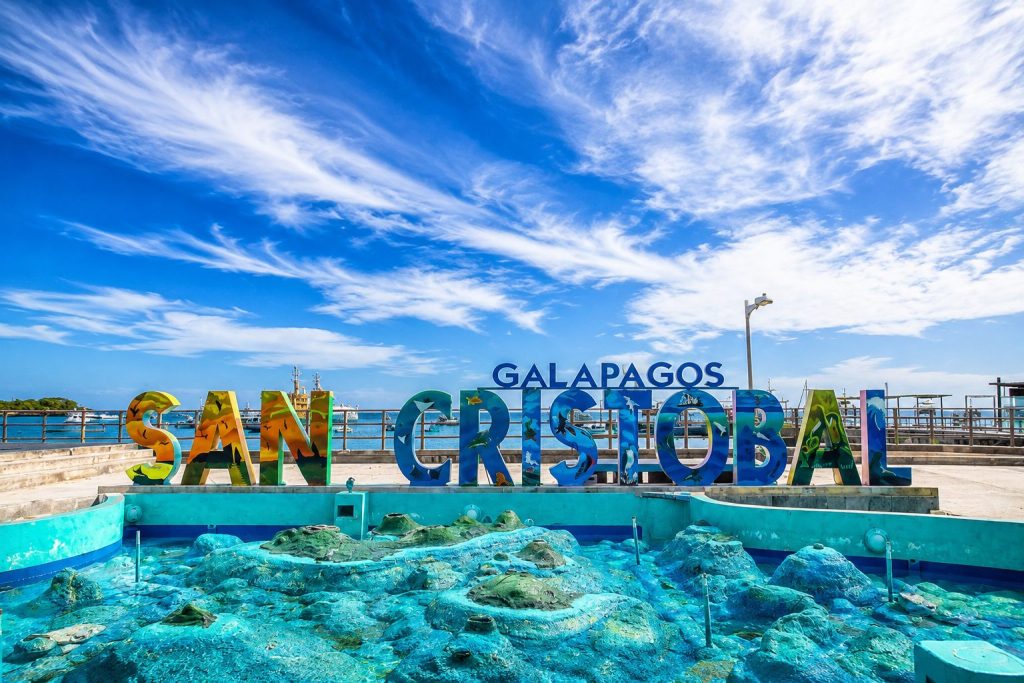
- Days 1 to 3, Santa Cruz: the highlands and giant tortoises, a full-day boat trip to North Seymour or Bartolomé, Tortuga Bay and the tortoise breeding center in Puerto Ayora.
- Day 4, crossing to San Cristóbal: a morning speedboat, then Cerro Tijeretas (frigatebird hill) and sunset at Punta Carola.
- Day 5, Kicker Rock: a full-day snorkeling tour at León Dormido with sharks, turtles and a beach stop.
- Day 6, the 360º tour or the highlands: three snorkeling stops around the island, or wild tortoises in the highlands and La Lobería.
- Day 7, departure: San Cristóbal’s airport is a short ride from town, so there is time for a last morning with the sea lions.
Our local guide to San Cristóbal covers each of these sites in detail.
Itinerary 3: 10 to 12 Days on Three Islands
With 10 to 12 days you can combine Santa Cruz, Isabela and San Cristóbal, with a night on the mainland at each end. You get the volcano and lava tunnels of Isabela, the tortoises and beaches of Santa Cruz, and Kicker Rock and the seabirds of Española from San Cristóbal. It is a good fit if you have the time and want to avoid the rushed feeling that a 4 or 5-day trip can bring. Our guide on how many days you need in the Galápagos helps you choose.
When Is the Best Time for Island Hopping?
Island hopping works all year. The warm season (roughly December to May) brings calmer seas and warmer water that suit snorkeling, while the cooler months (June to November) bring more marine activity, including hammerhead sharks at Kicker Rock. The park’s 2025 data shows foreign visitors peaking in March and April, domestic travel peaking in July and August, and September as the quietest month, so shoulder dates can mean easier availability. Read our best time to visit the Galápagos in 2026 for the month-by-month picture.
Current Conditions on Santa Cruz (November 2026)
A strong El Niño is affecting Ecuador. On October 30 and 31, 2026, heavy rain flooded parts of Santa Cruz, authorities declared an emergency, and the national park temporarily restricted access to six visitor sites across Santa Cruz and San Cristóbal. Our thoughts are with our neighbors on Santa Cruz as they recover. As of November 7, the national government reported that tourism on Santa Cruz is operating and that flights to Baltra are on normal schedules, and it urged travelers to keep their plans. Electricity has been restored and crews are clearing debris and repairing roads, although some drainage works are still pending. Some visitor sites remain closed, and some itineraries need temporary changes, such as reordering islands. Conditions move quickly, so ask us for the latest status before you book, and read our full guide to El Niño and the Galápagos in 2026–27.
Is Island Hopping Right for You?
It is a great fit if you get seasick, travel with children or older relatives, want a real bed and a hot shower every night, enjoy walking through a town in the evening, or prefer a clear price per person. Consider a cruise instead if your heart is set on the remote islands or on diving at Darwin and Wolf, which we cover in our hammerhead diving guide.
Why Island Hop With Galaapp
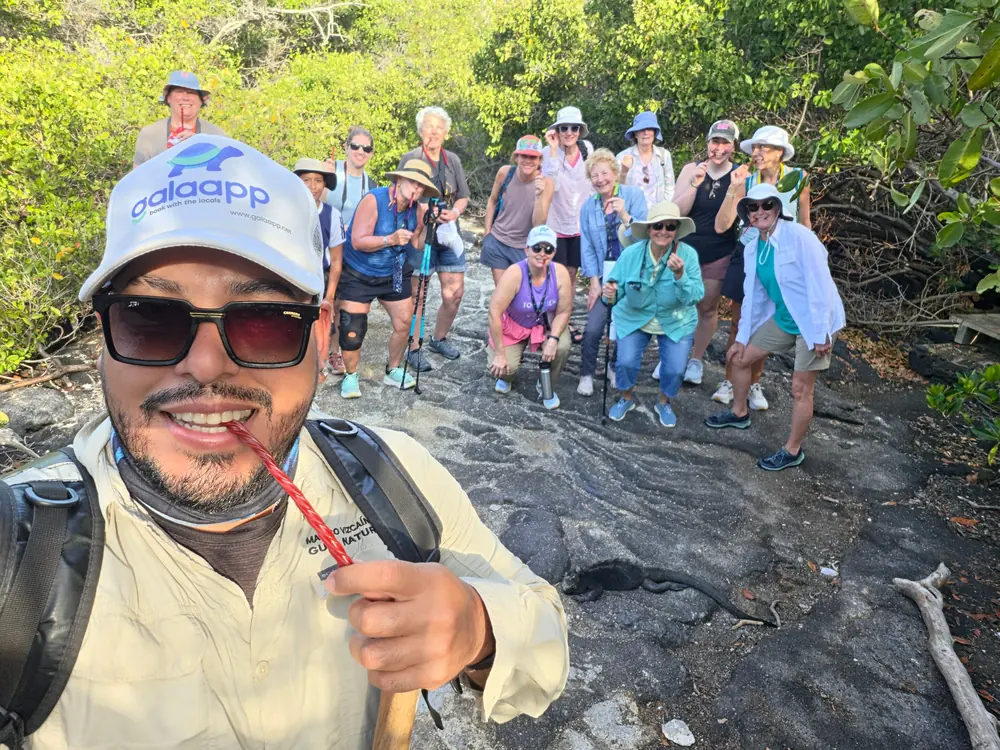
Galaapp is a local operator based in Puerto Baquerizo Moreno, on San Cristóbal. The people who plan your trip work with the guides, hotels and boat crews on the islands. Every Galaapp group travels with a lead guide and a naturalist guide exclusive to the group, receives a keepsake film of the trip and a travel kit, and you can meet Marco, our lead guide, before you book. Ready to start? Message us on WhatsApp or contact our team, and we will confirm dates, hotels and a price for your group size.
Frequently Asked Questions
Seven to nine days is the sweet spot for two islands. Fewer than five days feels rushed because flights take most of the first and last days.
Land-based programs often cost less than cruises, but the comparison depends on class, season and group size. Compare what each price includes: meals, tours, transfers, flights, park fees and dinners.
Santa Cruz is the hub for tortoises, beaches and day trips to nearby islets. Add Isabela for volcanoes, lava tunnels and flamingos, or San Cristóbal for sea lions and Kicker Rock.
You will see many of the iconic species, including giant tortoises, sea lions, marine iguanas, blue-footed boobies and sea turtles. Some remote islands, such as Fernandina and Genovesa, are reached mainly by cruise.
Yes. Visits to the protected areas must be made with an accredited Galápagos naturalist guide, and our programs include one throughout.
Yes. Land-based trips suit families well because children sleep in the same hotel for several nights and avoid long overnight sailings. Children’s prices on our 9-day program are lower than adult prices. Ask us about ages and activity levels.
International flights, flights between mainland Ecuador and the Galápagos, the Transit Control Card and park entrance (available as a US$840 add-on), travel insurance, tips and dinners in the Galápagos.
