

Short answer: San Cristóbal is one of the best islands in the Galápagos for first-time visitors who want wildlife close to town and simple logistics. You can watch sea lions on the waterfront, visit giant tortoises, and take a day trip to Kicker Rock (León Dormido), one of the best snorkeling and diving sites in the archipelago, all within a few days. The top things to do in San Cristóbal Galapagos are the Kicker Rock tour, the 360º snorkeling circuit, La Lobería, Cerro Tijeretas, the tortoise centers and the highlands, and, for a longer stay, Española and Punta Pitt.
We know this island well because it is home. Galaapp is based in Puerto Baquerizo Moreno, the capital of the Galápagos province, and our guides take travelers to these places every week. This guide covers each highlight, what it costs with us, the best time to go and how to get here.
Last reviewed: November 9, 2026. Prices are those listed on our website on that date. After the heavy rains of late October, the national park reopened La Lobería and Punta Carola on November 7, while Puerto Chino and Playa Baquerizo remained closed; check current site status before you plan.
Why Visit San Cristóbal?
San Cristóbal is where Charles Darwin first set foot in the Galápagos, in September 1835, and it is among the oldest islands in the archipelago. Its airport receives about 29% of all visitors to the Galápagos (82,982 arrivals in 2025, according to the Galápagos National Park Directorate), and the island’s visitor sites near town recorded more than 236,000 visits that year. Unlike some islands, you can reach sea lions, frigatebirds and a tortoise center without boarding a boat.
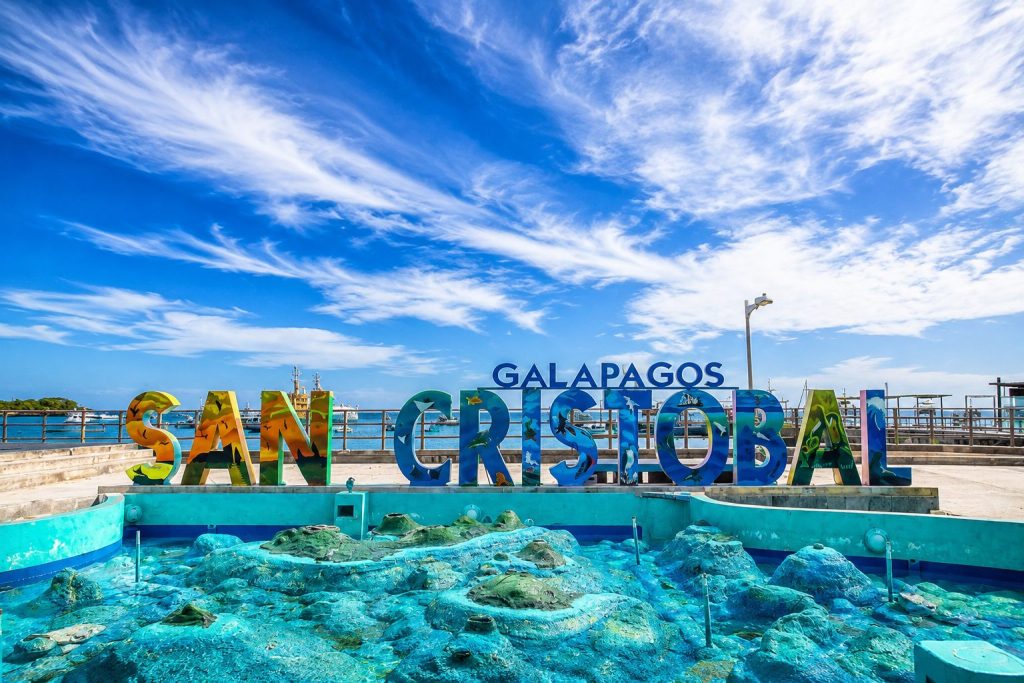
Top Things to Do in San Cristóbal
1. Kicker Rock (León Dormido)
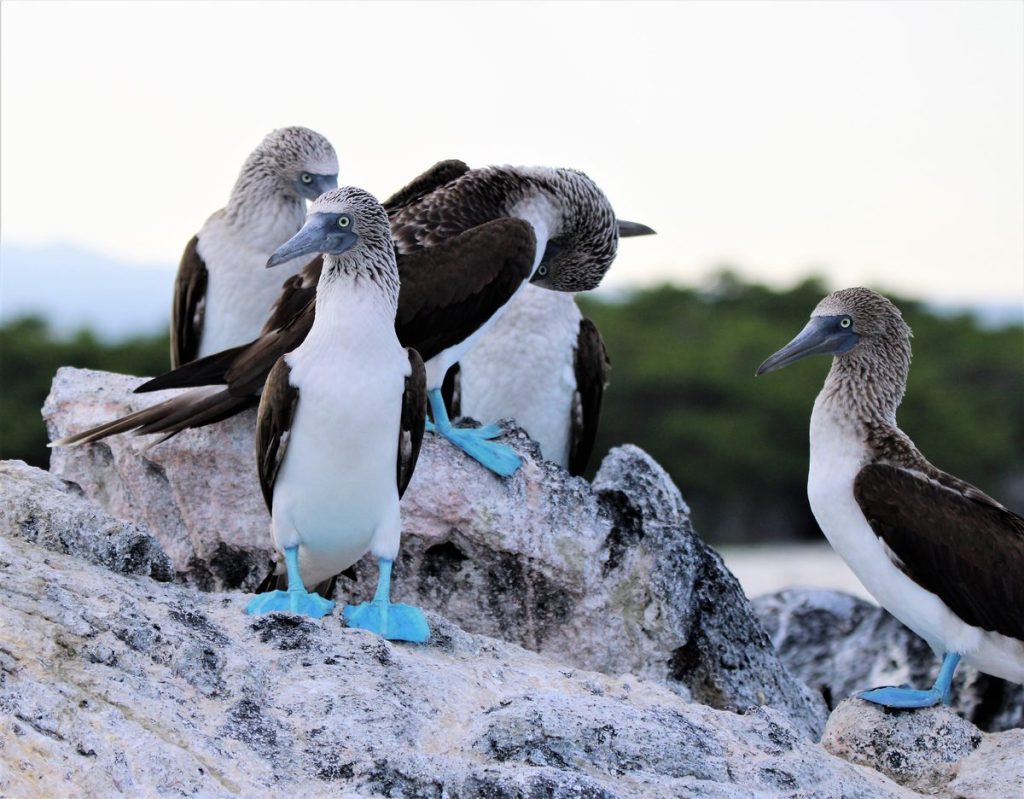
Kicker Rock is a pair of volcanic towers rising roughly 150 meters out of the Pacific, about an hour and a half by boat from Puerto Baquerizo Moreno. Visitors drift-snorkel through the narrow channel between the two columns. You may see Galápagos sharks all year, scalloped hammerhead sharks mostly between June and November, sea turtles, golden cownose rays and eagle rays, while blue-footed and Nazca boobies nest on the rock above. Our Kicker Rock + Beach tour costs US$160 per person, lasts 7 to 8 hours, leaves at 8:30 am and includes the boat, a certified bilingual naturalist guide, snorkel gear with wetsuit, life jackets, snacks and lunch, and a relaxed beach stop with sea lions. Groups are limited to 12, and basic swimming ability is required to snorkel; non-swimmers can watch from the boat. Our guide to hammerhead diving in the Galápagos covers the dive side of this region.
2. The 360º Tour
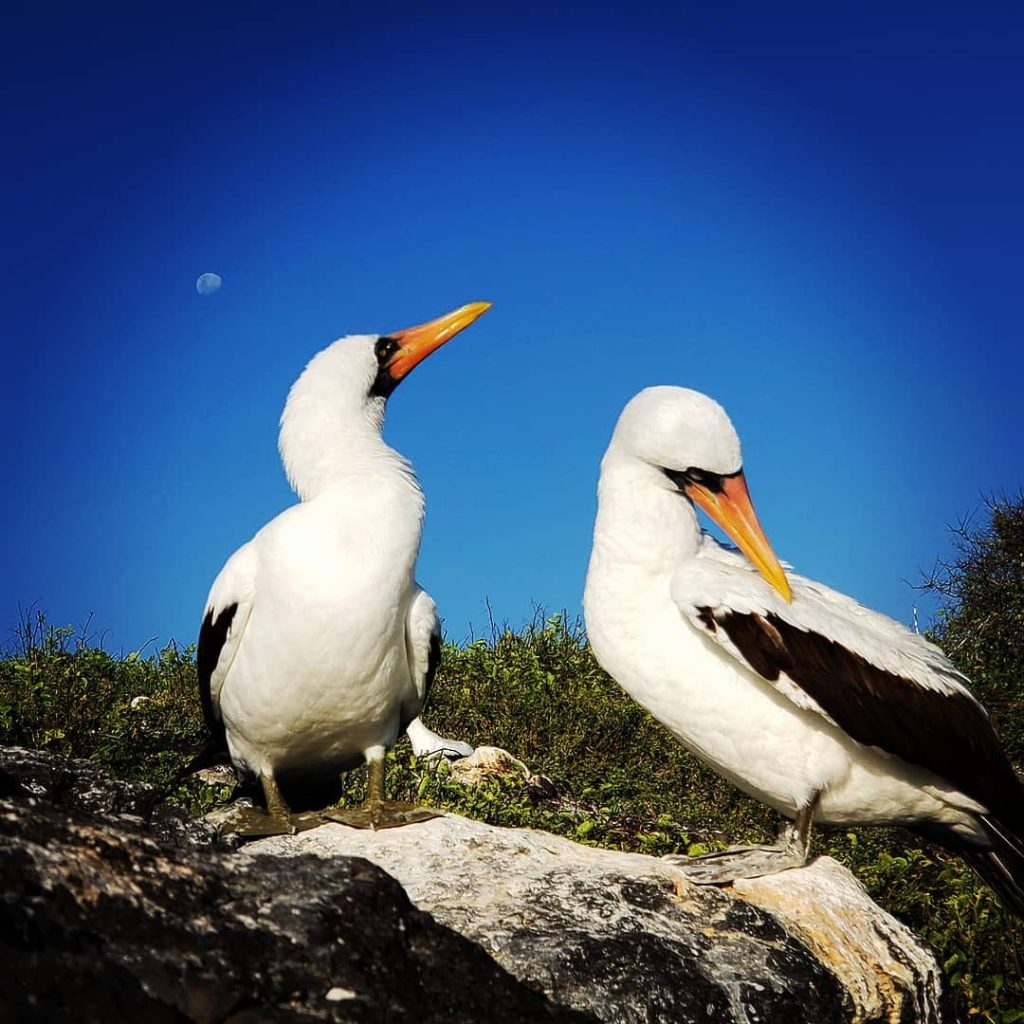
If you only have one day, our 360º tour circles the island by boat and links three snorkeling spots: Kicker Rock, Bahía Rosa Blanca and Bahía Sardina, a white-sand beach where sea lions rest. On the way back the boat passes Cerro Brujo and Punta Pitt, the only site in the Galápagos where blue-footed, red-footed and Nazca boobies all nest together. The tour costs US$180 per person, runs about 8.5 hours (7:30 am to 4:00 pm), and includes the boat, a bilingual naturalist guide, snorkel gear, a towel and lunch on board, with vegetarian and vegan options on request. Groups are limited to 12.
3. La Lobería and the Waterfront Sea Lions
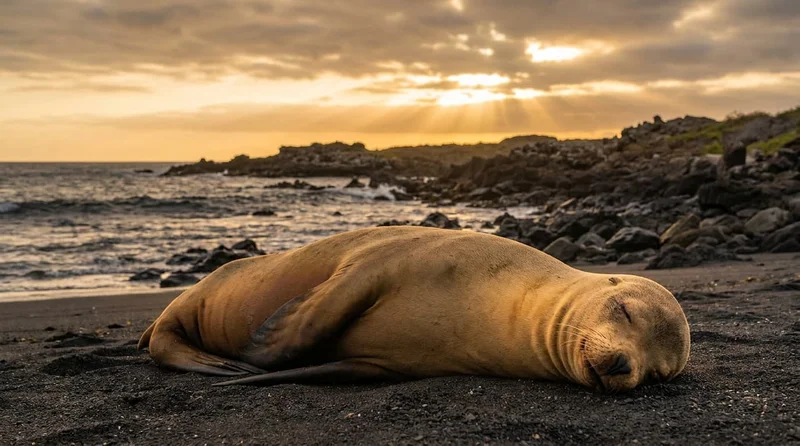
La Lobería, about 2 km from town, is a coastal trail where hundreds of sea lions rest on volcanic rock beside marine iguanas, and the water here is good for a first snorkel. In town, sea lions nap on benches, docks and the beach at Playa Mann, and they are part of daily life in Puerto Baquerizo Moreno. Keep a respectful distance, as the park requires, and never touch or feed them.
4. Cerro Tijeretas (Frigatebird Hill) and Punta Carola
A short walk from town leads to Cerro Tijeretas, where frigatebirds soar over a viewpoint and a memorial to Darwin. It was one of the island’s most visited sites in 2025, with about 53,000 visits. Nearby Punta Carola is a favorite spot for sunsets and for watching surfers.
5. Giant Tortoises: La Galapaguera and the Highlands
The David Rodríguez tortoise breeding center, known as La Galapaguera, was the most visited site on the island in 2025, with more than 63,000 visits, and more than half of them were foreign travelers. In the highlands, our Parte Alta tour goes to see wild giant tortoises roaming freely, which is a very different experience from a breeding center.

6. Española Island
Española is a long boat trip away, and it is where nearly the whole world’s population of waved albatross nests, along with sea lions, marine iguanas and blue-footed boobies. The albatross are present for roughly April to December. Ask about our Española tour.
7. Isla Lobos and Punta Pitt
Isla Lobos is a small island with a sea lion colony, and Punta Pitt, on the northeast of San Cristóbal, is the three-booby nesting site mentioned above. See our San Cristóbal tours page for the full list.
8. The Interpretation Center
The island’s interpretation center is a good first stop on a rainy afternoon, with exhibits on the archipelago’s geology, human history and conservation. Entry is free.
The Most Visited Sites Near Puerto Baquerizo Moreno
| Site | Visits in 2025 | Why go |
|---|---|---|
| La Galapaguera tortoise center (David Rodríguez) | About 63,000 | Giant tortoises in a breeding center |
| Cerro Tijeretas | About 53,000 | Frigatebirds and a viewpoint |
| Punta Carola | About 35,000 | Sunsets and surf |
| La Lobería | About 15,000 | Sea lions and marine iguanas |
Source: Galápagos National Park Directorate, annual visitor report 2025. A visitor can go to more than one site during a stay.
A 3-Day and a 5-Day San Cristóbal Itinerary
3 days
- Day 1: arrive, walk the waterfront, visit the Interpretation Center, hike to Cerro Tijeretas and watch the sunset at Punta Carola.
- Day 2: Kicker Rock + Beach tour.
- Day 3: the 360º tour, or the highlands and La Lobería, depending on your energy and the sea.
5 days
- Days 1 to 3: as above.
- Day 4: a day trip to Española in albatross season, or Isla Lobos.
- Day 5: a slow morning at La Lobería or Playa Mann, then the flight out.
Want to combine San Cristóbal with other islands? Our island hopping itineraries show how to link Santa Cruz, Isabela and San Cristóbal.
Best Time to Visit San Cristóbal
San Cristóbal is a year-round destination. From about January to April the sea is warmer, with water around 23 to 25°C and good visibility, and in the cooler months from about May to December it is closer to 17 to 21°C and wetsuits are essential. June to November brings the best chance of hammerhead sharks at Kicker Rock. Albatross are on Española from around April to December, and sea lion pups are most visible in the second half of the year. Our best time to visit the Galápagos in 2026 goes month by month.
How to Get to San Cristóbal
San Cristóbal has its own airport (SCY), a short ride from town, with flights from mainland Ecuador operated by LATAM and Avianca. Flights from Quito commonly route through Guayaquil. You can also reach the island from Santa Cruz by scheduled speedboat, a crossing that usually takes around two hours. If you are flying from the United States, read how to get to the Galápagos from the US, and for fees and documents see our entry requirements guide.
Book San Cristóbal Tours With a Local Team
Every Galaapp tour on San Cristóbal runs with a certified bilingual naturalist guide, small groups of up to 12 travelers and a local team that knows the sea conditions day by day. Browse the full list of San Cristóbal tours, or message us on WhatsApp to build a plan around your dates.
Frequently Asked Questions
Yes. It offers sea lions in town, giant tortoises, frigatebirds and Kicker Rock, one of the best snorkeling and diving sites in the archipelago, with easy access from the airport.
Yes. Wildlife is close to the town, the airport is near, and you can easily combine it with Santa Cruz and Isabela on an island hopping trip.
Our guides assess the current each day and choose safe entry and exit points. Wetsuits, fins and life jackets are provided, and basic swimming ability is required. Non-swimmers can watch from the boat.
Most often from June to November, when cooler, nutrient-rich water draws them into the channel. Galápagos sharks and sea turtles can be seen all year.
Three days cover the main highlights, including Kicker Rock. Five days let you add Española or Isla Lobos and a slower pace.
Our Kicker Rock + Beach tour costs US$160 per person, and the 360º tour costs US$180 per person, according to our website on November 9, 2026. The national park entrance fee is separate and is paid on arrival in the Galápagos.
