
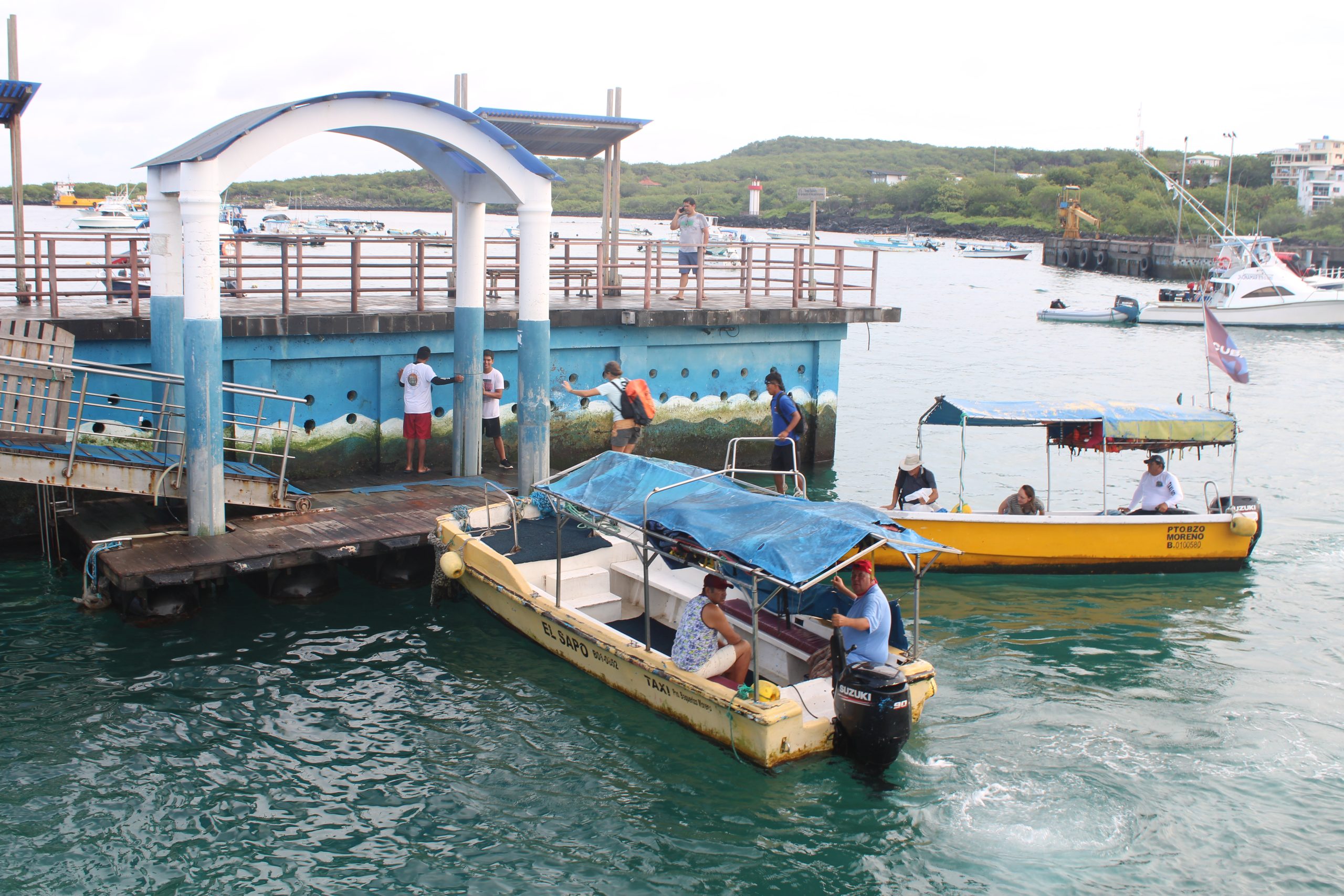
Short answer: Choose a Galápagos cruise if you have 4 to 5 days or less, want to reach remote islands and see the widest range of wildlife, and prefer everything included. Choose a land-based trip (island hopping) if you have a week or more, want to sleep on solid ground, travel at your own pace and spend less. Roughly 70 percent of the established visitor sites can only be reached by ship, but a well-planned land trip still delivers sea lions, giant tortoises, marine iguanas, sharks and turtles. We sell both, and the right answer depends on your time, budget, sea legs and interests.
Last reviewed: November 20, 2026. Prices are indicative and change by season and vessel.
The Two Ways to See the Galápagos
There are only two ways to visit. On a cruise, you live aboard a small ship that sails between islands, usually overnight, and you visit sites on guided landings and snorkeling outings. On a land-based trip, you sleep in hotels on the inhabited islands (Santa Cruz, Isabela, San Cristóbal and Floreana) and reach wildlife on day tours and short speedboat crossings. Both use certified naturalist guides, and the park sets the rules for both.
Quick Comparison
| Cruise | Land-based (island hopping) | |
|---|---|---|
| Where you sleep | In a cabin on the ship | In hotels on the inhabited islands |
| Sites you can reach | Remote, uninhabited islands such as Genovesa, Fernandina and Rábida, in addition to popular sites | Sites within day-trip distance, such as Kicker Rock, Bartolomé, North Seymour, Santa Fe and Plaza Sur, plus the highlands and town sites |
| Typical cost | About US$3,820 to US$11,320 or more per person, all included (one independent operator’s 2026 range) | Our 9-day Santa Cruz and Isabela program starts at US$1,450 per person for 10 or more travelers and US$1,950 for two, before flights and park fees |
| What is included | Cabin, meals, guided excursions and most gear | Hotels and tours as listed. Some meals, flights and extras are on you |
| Time needed | 4 to 5 days can work | At least a week works best |
| Flexibility | Fixed itinerary and schedule | You can adjust, add free time and extend |
| Seasickness risk | Overnight sailing; larger ships move less than small yachts | Short, fast boat rides on ferries and day tours |
| Best for | Remote wildlife, birders, snorkelers, limited time | Families, slower travel, flexible dates, local culture, budget |
Advantages of a Galápagos Cruise
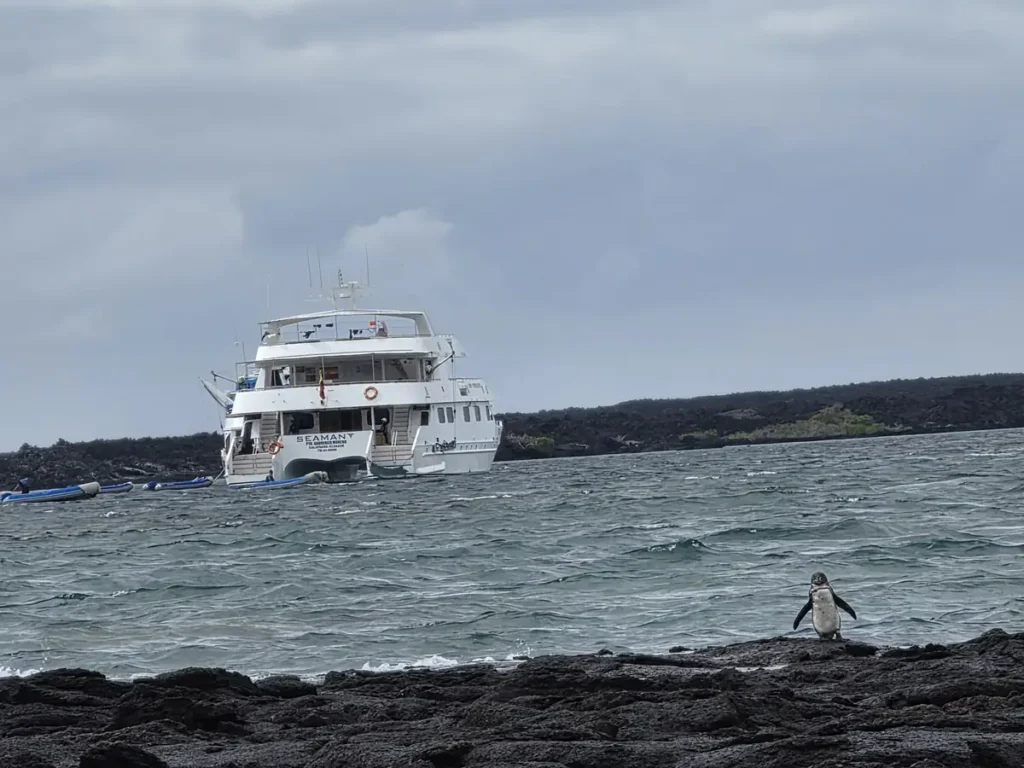
- Access to remote islands. Ships reach sites that day tours cannot, such as Genovesa for birds or Punta Espinoza on Fernandina.
- Efficient. Ships generally sail at night, which leaves the daytime for exploring.
- Simple to budget. Meals, guides and excursions are included, and some cruises include flights, transfers and park fees.
- Small groups. Park regulations cap ships at 100 passengers, and many carry far fewer.
- Good for short trips. You see a lot in 4 to 5 days.
Drawbacks of a Galápagos Cruise
- It usually costs more per person than a land-based program.
- The schedule is fixed and the days are busy, so it is less relaxing.
- You are at sea for several nights. Smaller yachts and catamarans move more than expedition ships.
- You have less time in the towns and less contact with local life.
Advantages of a Land-Based Trip
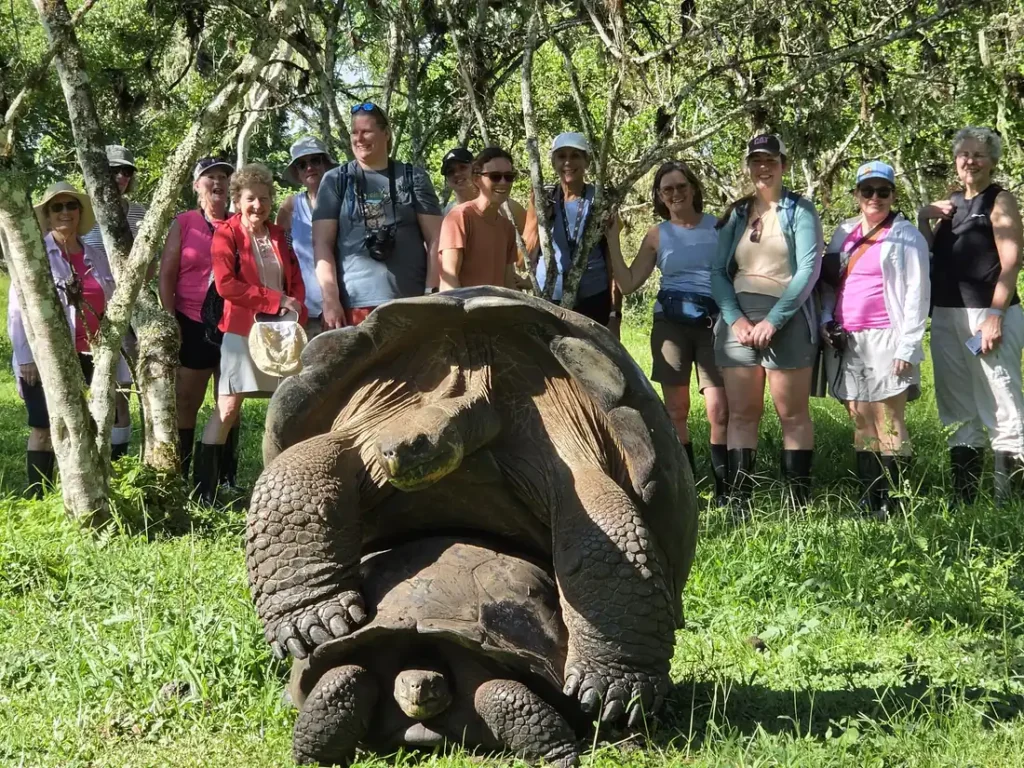
- Lower starting cost. Hotels and day tours often cost less than a cruise cabin, and you choose what to add.
- Sleep on land every night. Helpful if you are prone to seasickness.
- Flexibility. You can change plans, repeat a favorite snorkel, take a rest day or extend your stay.
- More local experience. You eat in town, meet the community and can join activities such as hiking, biking and surfing.
- Easier for families and mixed-ability groups. Children and grandparents sleep in the same hotel for several nights.
Drawbacks of a Land-Based Trip
- Many remote islands are out of reach on day tours.
- Inter-island travel takes time. Speedboat ferries take about 2 hours and can be bumpy.
- Day tours often reach sites in the middle of the day, when some animals are less active.
- More planning is needed, unless you book a packaged program like ours.
What About Wildlife?
Both options deliver the classics. On land-based trips you will see sea lions in town, marine iguanas, giant tortoises, sharks and turtles on snorkeling outings, and a lot of birdlife. Cruises add the remote-island specialties. If you are a keen birder, the chance to reach places like Genovesa is a strong reason to cruise. If your priority is snorkeling with sharks and turtles, a good land trip can match a cruise: our Kicker Rock snorkeling day trip is one of the best-known sites in the archipelago.
For divers, land-based trips make it easy to dive sites such as Kicker Rock. The famous Darwin and Wolf hammerhead dives are only available on dive cruises. See our guide to hammerhead diving at Darwin and Wolf.
How Much Do They Cost?
Prices vary enormously. An independent specialist reports 2026 cruises at roughly US$3,820 to US$11,320 or more per person all in, depending on the vessel class, and another operator puts the average at around US$1,000 per person per day. On land, our 9-day Santa Cruz and Isabela island hopping program is US$1,950 per person for two travelers in tourist class and drops to US$1,450 per person for groups of ten or more, before flights and park fees. Adding our flights, Transit Control Card and park entrance package at US$840 per person gives a couple about US$2,790 per person for nine days. Always compare what is included. See our full 2026 to 2027 trip cost breakdown.
Why Not Both?
Combining the two is a popular choice. Lonely Planet suggests a 5-day cruise followed by 2 days on land. A few nights on the islands first also helps you recover from jet lag before boarding. If you have 10 days or more, a mixed trip is worth considering. Our guide to how many days you need can help you plan.
Which Should You Choose?
Choose a cruise if:
- You have 4 to 5 days or less.
- You want remote islands and the widest variety of wildlife.
- You like an all-inclusive trip where everything is organized.
- You are comfortable at sea, or you plan to use medication.
Choose a land-based trip if:
- You have a week or more.
- You want to sleep on land, travel at your own pace or spend less.
- You are traveling with children or older relatives.
- You want time in the towns and more local contact.
Whichever you pick, check the latest conditions. A strong El Niño is under way and some visitor sites have been closed or restricted at short notice, so itineraries can change. Our El Niño guide has the latest, and our best time to visit guide covers the seasons.
Book Your Galápagos Experience With Galaapp
We are based in Puerto Baquerizo Moreno, San Cristóbal, and we offer both options. Explore our cruises or our land-based tour packages, or contact us with your dates, group and budget and we will tell you honestly which one fits.
Frequently Asked Questions
Neither is better for everyone. A cruise reaches remote islands and suits short trips, while a land-based trip costs less, is more flexible and avoids overnight sailing. Choose based on your time, budget, sea legs and interests.
Land-based trips usually cost less. One independent operator reports 2026 cruises at about US$3,820 to US$11,320 or more per person, while our 9-day island hopping program starts at US$1,450 per person for large groups and US$1,950 for two travelers, before flights and park fees. Compare what each price includes.
You will see most of the classic species, such as sea lions, giant tortoises, marine iguanas, sharks and turtles. Cruises add remote islands that day tours cannot reach, which matters most to birders and some photographers.
A cruise can work well in 4 to 5 days. For island hopping, plan at least a week, ideally 7 to 9 days for two islands.
Island hopping means short, fast boat rides but you sleep on land. A cruise means overnight sailing, although larger expedition ships move less than small yachts. Read our seasickness guide to prepare for either.
Yes. A common approach is a shorter cruise followed by a few days on land, or a few days on the islands before boarding.
Yes, but itineraries can change at short notice if visitor sites are closed or conditions change. Check with your operator before you travel.
Related Guides
- Galápagos island hopping itinerary
- How many days do you need in the Galápagos
- How much a Galápagos trip costs
- Seasickness in the Galápagos
- Kicker Rock snorkeling tour
