
Galápagos ecotourism continues to grow fast, with around 300,000 visitors a year drawn by extraordinary wildlife and protected landscapes. That growth supports sustainable fishing and employs roughly 30,000 local residents, but it raises an urgent question: can Galápagos ecotourism sustainability keep pace with rising visitor numbers?
Why Galápagos Ecotourism Growth Raises Sustainability Concerns
In an interview featured in Mongabay, veteran naturalist guide Marco Andres Vizcaino Garcia highlights both the successes and the pressures facing the archipelago’s tourism model. While the Galápagos National Park requires visitors to be accompanied by certified guides and limits daily access to sensitive sites, the increase in visitor numbers is pushing the islands toward mass tourism rather than true ecotourism. Big cruise ships using “eco” branding and foreign-controlled operators are part of this trend, raising concerns that profits are leaving the islands while ecological impact continues to grow.
Vizcaino is particularly worried about planned changes to guide training — shortening the certification cycle to service tourism demand — which he fears could weaken environmental stewardship. He stresses that limiting visitor numbers and ensuring tourism revenue stays local are key to protecting the archipelago’s delicate ecosystems for future generations.
Balancing Galápagos Ecotourism and Sustainability for the Future
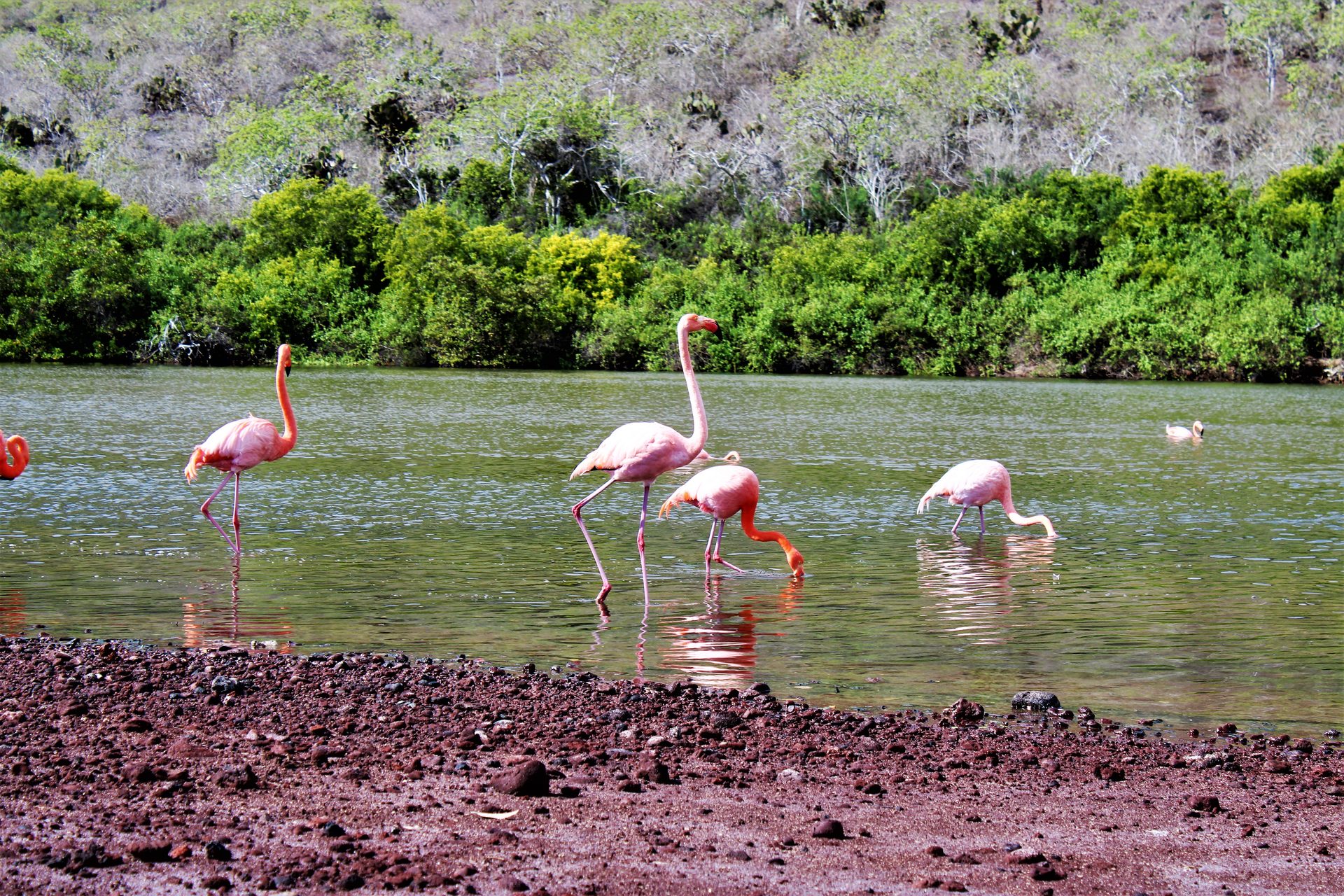
The pandemic offered a glimpse of what reduced human pressure can bring: sightings of dolphins near town and flamingos nesting after decades of absence showed how quickly nature can respond — but the economic consequences were devastating, since about 80% of local income depends on tourism.
Today, the Galápagos still need more attention on lesser-known species and unexplored habitats, and efforts to balance conservation with sustainable tourism growth remain urgent. Responsible travel, local benefits, and continued protection measures are essential to ensure this Galápagos ecotourism sustainability model keeps this unique UNESCO World Heritage site thriving for generations to come. Read more on our Galápagos travel blog for guides on visiting responsibly.
Frequently Asked Questions
True ecotourism keeps visitor numbers limited, supports certified local guides, and keeps revenue in the islands — while mass tourism, often driven by large “eco”-branded cruise ships and foreign operators, increases ecological pressure without the same community benefit.
Yes. The Galápagos National Park requires every visitor group to be accompanied by a certified guide and limits daily access to sensitive sites to protect the ecosystem.
Shortening the guide certification cycle to meet rising tourism demand risks weakening the environmental training that keeps ecotourism sustainable, according to local naturalist guides.
Book with a locally-owned operator, travel in smaller groups, and choose guides certified by the Galápagos National Park.
Travel Responsibly in the Galápagos
Support local ecotourism. Book with Galaapp — a locally-owned agency committed to sustainable, low-impact travel in the Galápagos Islands.
