
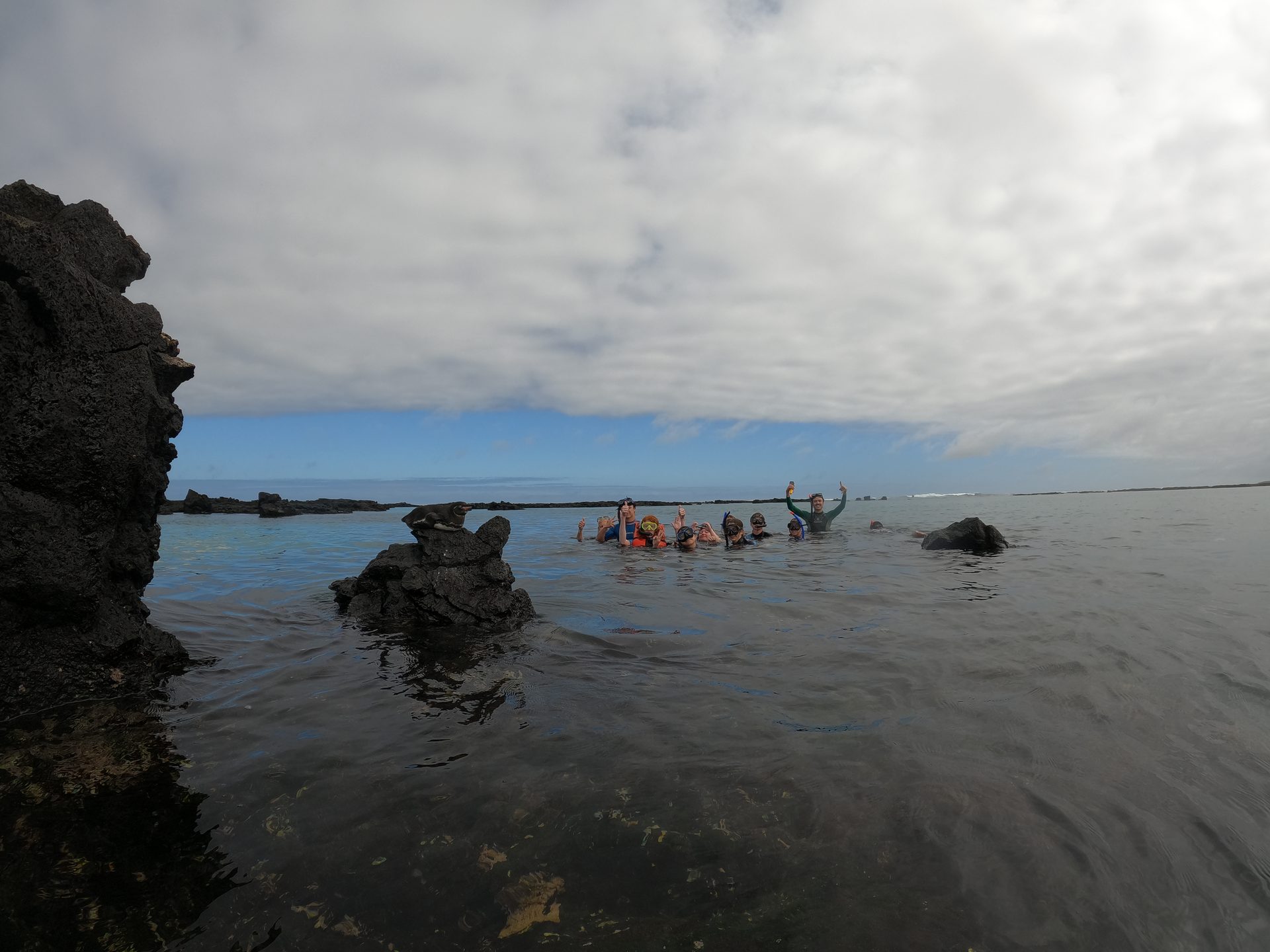
Packing for a Galapagos Islands trip requires some thought. You are visiting one of the world’s most remote and environmentally protected destinations, with a unique mix of outdoor activities — hiking on volcanic lava, snorkeling in cold Pacific waters, wildlife watching in intense equatorial sun — all within a few days. This complete Galapagos packing list for 2026 will make sure you have everything you need and nothing you don’t.
The Golden Rule: Pack Light
If you are boarding a Galapagos cruise, luggage space is limited. Most cruise boats have strict bag size restrictions (often a soft-sided bag of 12–15 kg maximum) and very limited cabin storage. Even if you are doing a land-based trip, the Galapagos is not the place for large suitcases — you will be moving on boats, hiking trails, and beaches where light, versatile gear wins every time.
Sun Protection (Non-Negotiable)
The Galapagos Islands sit directly on the equator. The UV index regularly reaches 11–12 (extreme). Sun protection is not optional — it is essential for your health and required by Galapagos National Park regulations for reef safety.
- Reef-safe sunscreen (SPF 50+) — Required by Galapagos National Park regulations. Chemical sunscreens containing oxybenzone and octinoxate are banned as they damage coral reefs. Only mineral-based (zinc oxide or titanium dioxide) reef-safe sunscreens are permitted. Bring enough from home — reef-safe sunscreen is expensive and sometimes hard to find locally.
- Sun hat with wide brim — A must for all outdoor activities and wildlife watching. Baseball caps leave your neck and ears unprotected.
- UV-protection sunglasses — Polarized lenses are best for reducing glare off the water.
- Long-sleeve rash guard / UV shirt — Excellent for snorkeling and open-deck time on the boat.
Snorkeling Gear
Snorkeling is one of the defining experiences of any Galapagos trip. The question is whether to bring your own gear or rent it on the islands.
- Personal snorkel mask — Highly recommended if you care about fit and hygiene. A well-fitted mask prevents leaking and makes the experience far more enjoyable. Rental masks are often poorly maintained.
- Snorkel — Bring your own if you have a preferred style. Dry-top snorkels are excellent for the Galapagos where wave action can be significant.
- Fins — Optional but recommended if space allows. Open-heel fins with booties are more versatile than full-foot fins. Rentals are available at most tour operators.
- Wetsuit (3mm) — Water temperatures in the Galapagos range from 18°C (64°F) in the cool season to 26°C (79°F) in the warm season. A 3mm wetsuit is recommended year-round, especially for multiple snorkeling sessions per day. Rentals are available on all cruise boats and at most dive/tour shops.
Clothing
The Galapagos wardrobe is casual, practical, and weather-appropriate. You do not need to pack formally — the islands have no dress code and the focus is entirely on the outdoors.
- Lightweight, quick-dry shorts and pants — 2–3 pairs are sufficient. Quick-dry fabric is ideal as you may get wet on boat transfers and beach landings.
- T-shirts and breathable tops — Light colors to reflect sun. 4–5 shirts for a week-long trip.
- Light fleece or zip-up jacket — Evenings on the boat can be surprisingly cool, especially in the July–November season. A mid-layer is essential.
- Light waterproof rain jacket — Rain showers are brief but intense in the warm season (January–June). A packable waterproof jacket takes up minimal space and is very useful.
- Swimwear — 2–3 sets. You will be in the water every day.
- Lightweight travel towel — Quick-drying microfiber towels are much more practical than regular towels and take up almost no space in your bag.
Footwear
- Closed-toe water shoes or sandals — Essential for wet landings (stepping out of the dinghy onto wet rocks or sand) and tide pool exploration. Chacos, Keens, or similar adventure sandals are ideal.
- Comfortable hiking/trail shoes — For dry landings and lava field hikes. The volcanic terrain in the Galapagos is rough and uneven. Do not wear flip-flops on hikes.
- Lightweight flip-flops or slip-ons — For the boat deck, town, and the beach.
Photography Gear
The Galapagos is a photographer’s paradise. The wildlife is so close and so cooperative that even modest equipment produces spectacular images.
- Camera with a zoom lens — A 70–300mm or similar lens is ideal for bird photography without disturbing nesting animals. You must stay 2 meters from all wildlife (National Park regulation).
- Underwater camera or GoPro with housing — Non-negotiable for snorkeling. Sea lions and penguins are irresistible underwater subjects.
- Extra memory cards and batteries — You will take thousands of photos. Bring more than you think you need. Batteries drain faster in the tropical heat.
- Dry bag or waterproof case — Protect all electronics from wet landings and unexpected waves.
- Binoculars — Excellent for birdwatching, especially for pelagic species seen from the boat deck. 8×42 is a good all-purpose option.
Health and Medical Essentials
- Motion sickness medication — If you are going on a cruise or speedboat inter-island ferries, bring Dramamine, Bonine, or sea sickness patches. The channels between Galapagos islands can have significant swells.
- Insect repellent — Mosquitoes are present, particularly in the highlands of Santa Cruz. DEET-based or natural repellent.
- Water purification tablets or a filtered water bottle — Tap water is not recommended for drinking in the Galapagos. Bottled water is available but environmentally costly. A filtered bottle (LifeStraw, Sawyer, etc.) is the sustainable option.
- Basic first aid kit — Band-aids, antiseptic cream, blister treatment, antihistamine, and any prescription medications you take regularly. Medical facilities in the Galapagos are very limited — Santa Cruz has a small hospital, but other islands have minimal medical services.
Money and Documents
- Cash in USD — Ecuador uses the US Dollar. Many small restaurants, tour operators, and accommodation on the outer islands (Isabela, Floreana) do not accept cards. ATMs are available in Puerto Ayora (Santa Cruz) and Puerto Baquerizo Moreno (San Cristóbal) but can run out of cash. Bring enough dollars from mainland Ecuador.
- Passport — Required for the Transit Control Card (TCT) and National Park entry.
- Physical copies of all important documents — Keep copies separate from originals.
- Travel insurance documentation — Essential for any Galapagos trip, especially one that includes adventure activities like diving or kayaking.
What NOT to Bring to the Galapagos
- Chemical sunscreens — Banned. Reef-safe only.
- Single-use plastics — The Galapagos is trying hard to reduce plastic waste. Bring a reusable water bottle and bags.
- Drones — Drones are strictly prohibited in the Galapagos National Park without a special permit (virtually impossible to obtain for tourists).
- Food from the mainland — Agricultural inspections at both Guayaquil and Quito airports confiscate any fresh food. Processed, sealed snacks are generally fine.
Frequently Asked Questions
Only reef-safe, mineral-based sunscreen — chemical sunscreens are banned in the Galápagos National Park to protect marine ecosystems.
No, drones are strictly prohibited in the Galápagos National Park without a special permit, which is virtually impossible for tourists to obtain.
Most cruise boats require a soft-sided bag of 12–15 kg maximum due to limited cabin storage space.
Fresh food is confiscated at agricultural inspections in Guayaquil and Quito airports, but sealed, processed snacks are generally allowed.
Ready to Pack? Book Your Galapagos Trip with GalaApp
Now that you know exactly what to bring, all you need to do is book your trip! GalaApp is a locally-owned Galapagos travel agency offering Galapagos cruises, island tours, and inter-island transportation. Our team lives in the Galapagos and can give you personalized advice on gear, timing, and itineraries. Contact us today to start planning.
Ready to Pack Your Bags for the Galápagos?
You have the list — now book the trip. Browse our Galápagos day tours and cruises, all led by certified naturalist guides.
